How Smart Home Technology Is Transforming Modern Living
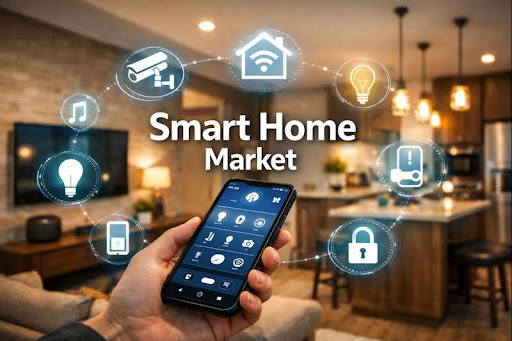
Smart home technology is rapidly redefining the way people interact with their living spaces, turning traditional homes into intelligent, responsive environments. What was once limited to basic automation such as remote lighting control or programmable thermostats has evolved into an interconnected ecosystem powered by artificial intelligence, IoT sensors, voice assistants, and advanced data analytics. Today’s smart homes are designed not just for convenience, but also for energy efficiency, safety, comfort, and lifestyle personalization.
At the core of this transformation is connectivity. Smart devices now communicate seamlessly across platforms, enabling homeowners to control lighting, climate, security, entertainment, and appliances through a single interface. Voice-enabled assistants and mobile applications have made home management intuitive, while machine learning allows systems to adapt to user behavior over time. For example, lighting and temperature settings can automatically adjust based on daily routines, occupancy patterns, or even weather conditions, creating an environment that feels both responsive and efficient.
Security is another area where smart home technology is making a profound impact. Advanced surveillance systems, smart locks, motion sensors, and real-time alerts have transformed home safety from a reactive approach to a proactive one. Homeowners can monitor their properties remotely, receive instant notifications of unusual activity, and control access digitally. This shift has not only improved safety but has also enhanced peace of mind, especially for families and individuals who travel frequently.
The Smart Home Market was valued at USD 126.45 billion in 2024 and is expected to reach USD 755.8 billion by 2032, growing at a CAGR of 25.07% from 2025–2032. This rapid growth reflects the accelerating adoption of connected devices across both developed and emerging economies. Rising urbanization, increasing disposable income, and growing awareness of energy conservation are key contributors to this expansion. Consumers are increasingly viewing smart home systems not as luxury add-ons but as essential components of modern living. The integration of AI-driven analytics, cloud connectivity, and edge computing is further enhancing system intelligence, enabling predictive maintenance, automated energy optimization, and real-time responsiveness. As device interoperability improves and costs decline, smart home adoption is expected to penetrate deeper into mid-income households, fueling sustained market growth throughout the forecast period.
Beyond convenience and security, smart home technology is playing a critical role in sustainability. Smart thermostats, energy-monitoring systems, and automated lighting help reduce energy consumption by optimizing usage patterns. Homes can now dynamically adjust energy loads, integrate with renewable power sources, and minimize waste, aligning with global efforts to reduce carbon footprints. This shift is especially significant as governments and consumers alike place greater emphasis on energy efficiency and environmental responsibility.
Healthcare and wellness applications are also becoming an integral part of the smart home ecosystem. From air quality monitoring and smart sleep systems to fall detection and remote health tracking, smart homes are increasingly supporting healthier lifestyles. These innovations are particularly valuable for aging populations, enabling independent living while maintaining safety and connectivity with caregivers or medical professionals.
As smart home technology continues to evolve, its impact extends beyond individual households to influence urban planning and smart city development. Connected homes serve as foundational elements in broader digital ecosystems, contributing data that supports energy management, infrastructure optimization, and improved quality of life at scale. With continuous advancements in AI, connectivity, and device interoperability, smart homes are set to become an indispensable part of the modern living experience, reshaping how people interact with their environments in the years ahead.