High Speed Internet Provider Guide: What Speeds You Need and How to Get the Best Deal
Most people don’t start shopping for a high speed internet provider because they’re bored. They start because something breaks their patience. A movie buffers right at the climax. A video call freezes while you’re talking to your boss or a client. A file upload stalls when you’re trying to meet a deadline. You reset the router, you wait, you try again, and eventually you start wondering whether the problem is your equipment, or whether it’s time to find a better high speed internet provider.
The good news is that choosing the right provider doesn’t have to feel like decoding a tech manual. Once you understand what “speed” actually means, how many people are sharing your connection, and what deals are truly worth it, you can get the internet that feels fast in real life, not just in advertising.
What internet speed actually affects day to day
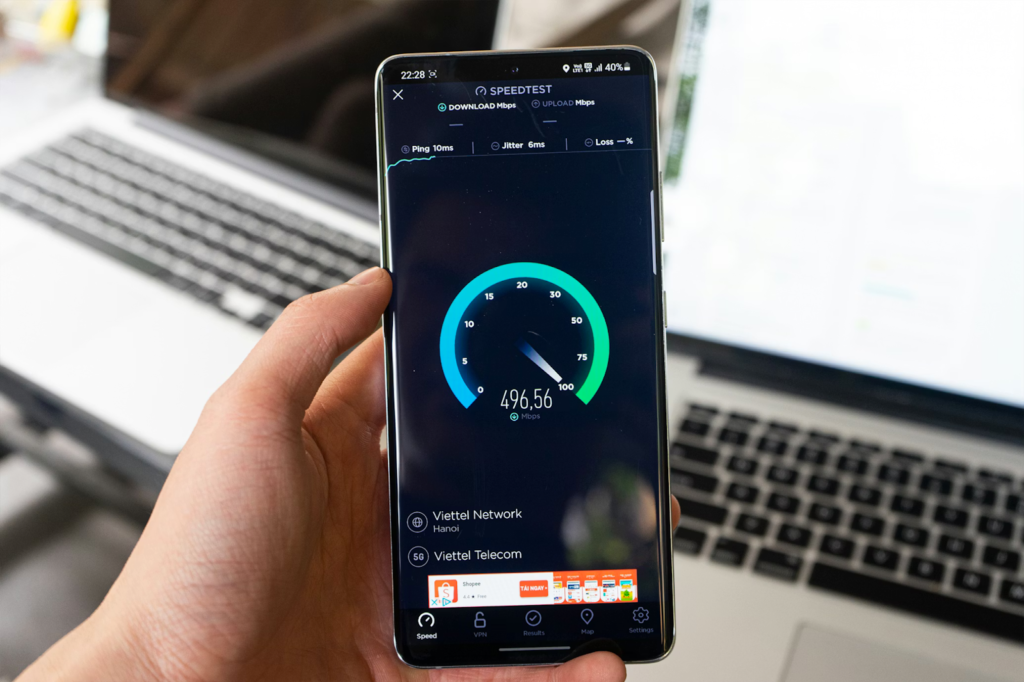
When you see an internet plan advertised, the speed is usually measured in megabits per second, often shortened to Mbps. That number is mainly your download speed, which affects how quickly you can stream video, load websites, download files, or update apps. But the experience of “fast internet” depends on more than just one number, and that’s where many shoppers get misled.
A high speed internet provider may advertise impressive download speeds, but your upload speed also matters, especially if you work from home, attend video meetings, send large attachments, or back up photos to the cloud. Upload speed is what determines how quickly your device can send data outward. If upload is weak, video calls can look grainy, cloud backups can take forever, and sending large files can feel painfully slow.
Then there’s latency, which is the delay between your device and the server you’re communicating with. Latency affects how responsive your connection feels, especially for gaming, video calls, and any real-time activity. You can have high download speed but still feel lag if latency is poor.
Choosing speeds that match your household
Picking the right high speed internet provider starts with understanding how your household uses the internet. A single person who browses, streams occasionally, and uses social media may not need a top-tier plan. Meanwhile, a household with multiple people streaming in different rooms, working from home, gaming, and using smart devices needs more breathing room.
As a practical way to think about it, you’re not just buying speed—you’re buying capacity. Each connected device is another “lane” of traffic that needs room. Video streaming, especially in HD or 4K, uses far more capacity than casual browsing. Video conferencing needs stable performance, not just high numbers. Online gaming doesn’t always require huge bandwidth, but it benefits from low latency and consistent service.
If your home regularly runs multiple streams at once and includes remote work, many households feel comfortable starting around the mid-range of modern plans and moving up only if the connection still feels strained. If you live alone or mostly use Wi-Fi for browsing and occasional streaming, you can often get great performance without paying for the highest tier.
Why “up to” speeds can be misleading
One of the most important things to understand when shopping for a high speed internet provider is that advertised speeds are often “up to” a certain number. That means the provider is not guaranteeing you’ll experience that speed at all times. Real-world performance can vary based on network congestion, local infrastructure, and even the time of day.
This matters because two providers can advertise similar speeds while delivering very different consistency. If one provider slows down during peak evening hours and the other stays stable, the stable one will feel faster in real life even if the advertised number is slightly lower.
The types of internet connections and why they matter
Not all high speed internet provider services are built the same way. The type of connection you have can influence speed, reliability, and consistency.
Fiber internet is often considered the gold standard because it can offer very high download speeds and strong upload speeds, with good reliability. Cable internet can be fast and widely available, but performance may slow during peak hours in some neighborhoods depending on local network load. DSL tends to be slower and more variable depending on how far you are from the provider’s equipment. Fixed wireless and 5G home internet can be convenient and competitive in some areas, but performance can fluctuate more based on signal conditions and congestion.
The best choice depends on what’s available at your address and what your household needs. A good high speed internet provider should be transparent about the connection type and the realistic performance you can expect.
How to spot a truly good deal
Getting the best deal is about more than finding the lowest introductory price. Many high speed internet provider promotions look great for the first few months, then increase. A plan might also require autopay, paperless billing, or bundling with another service to get the advertised rate.
A good deal is one that stays reasonable over time and doesn’t surprise you later. It helps to ask what the price will be after the promotional period ends, whether there are data caps, and whether equipment fees will be added monthly. Sometimes a plan with a slightly higher base price ends up cheaper overall because it includes equipment or avoids long-term surcharges.
Negotiating and timing your purchase
It may feel awkward, but it’s often worth asking a high speed internet provider about available promotions, especially if you’re switching from another provider. Companies frequently have retention or new-customer offers, and some will match a competitor’s deal or offer a gift card, waived installation, or a better rate for a longer period.
Timing matters too. If your current plan is nearing the end of a promotional period, that’s often the moment when switching can save you the most. If you’re moving to a new address, that can also unlock better deals as a “new” customer, even if you’ve used that provider before.
Closing thoughts
Choosing a high speed internet provider doesn’t have to mean paying for the biggest number on a brochure. The goal is to match speed and reliability to your real household habits, then choose a plan with pricing that stays fair after the promotion ends. When you understand the importance of upload speed, consistency during peak hours, and the hidden impact of connection type, you’ll be able to compare providers with confidence. The best deal is the one that keeps your home running smoothly—streaming, working, gaming, and browsing—without turning every evening into a battle with buffering.