Building Preservation: What It Is and Why It’s Needed
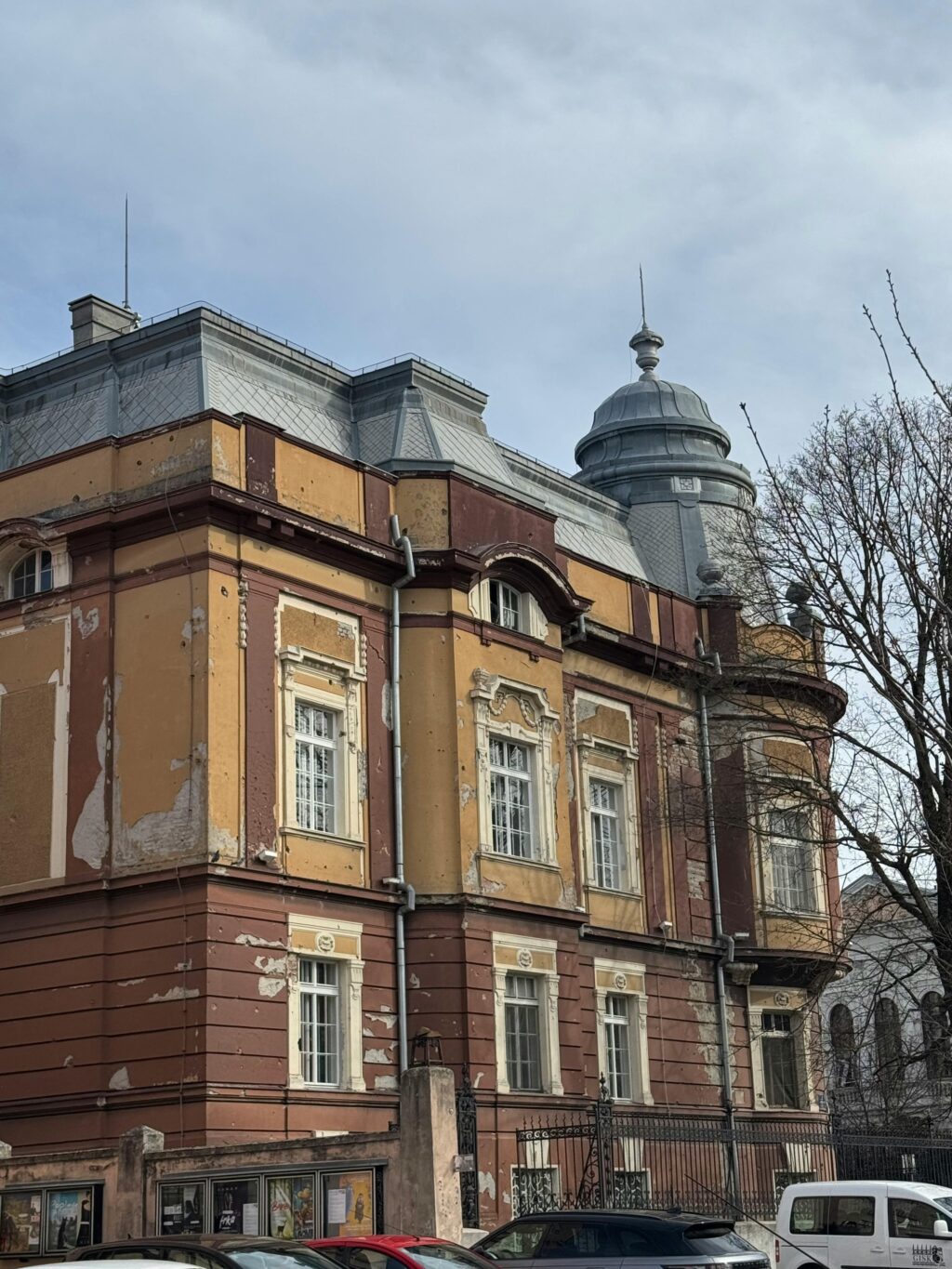
If you’re not a history buff or an architect, you may not be too familiar with the process of building preservation or why people do it. A building is a building, right? Not necessarily. Preserving buildings is a long process that saves buildings that are integral to both the community and the history it represents.
Defining Building Preservation
Building preservation is the process of maintaining historic buildings in the place that they’re in and keeping the history and culture alive in that area. Buildings are preserved for many reasons, the most common being historic reasons. People who grew up in the area often feel an emotional connection to the older buildings for a variety of reasons, so they will petition to stop those buildings from being demolished entirely. Older buildings give charm and character to an area that can’t be replicated.
The Benefits of It
While preserving a building often has a higher cost than simply demolishing it, the benefits in the long run far outweigh the upfront cost that needs to be invested.
Educational
When historical buildings are preserved, they serve as a tangible reminder of the past and how the community has changed since then. They serve as an educational resource for both children in school and adults long since out of it to learn about the area and the history they are surrounded by. Historical buildings also provide an avenue of learning that can’t be matched in a classroom. There’s a stark difference between reading about a historical event and going to the place where it occurred. Seeing and touching the physical location can spark imagination and learning in a way that classroom learning fails to.
Environmental
The environmental benefits of building preservation are a bit harder to quantify, but they are there. By keeping the building intact, you limit the amount of waste that goes into the landfill. When you keep the building floorplan as is, you don’t have to worry about getting new utility lines put in or having roads altered. Your disruption to the environment around the building is minimal.
One thing that is often done during building preservation processes is updating the electrical and other utility systems in the building. These upgrades are almost always beneficial to the environment because of all the technological advancements that have happened since the building was originally built.
Economic
Preserved buildings are often the first step toward revitalizing an area. The construction teams that work on these buildings are often paid a bit more than if they were building a new building because of the extra knowledge and work that goes into this process. That money tends to stay local and therefore stimulates the economy around the preserved building.
Many preserved buildings have a historical aspect that draws tourists to the area. The number of these tourists depends on the type of historical building it is, but they still exist. They visit and spend money, helping the local economy. If the tourism is significant enough, other businesses may pop up around the building to cultivate the allure of the area and boost tourism even further.
Architectural
If you drive around your area and think all buildings look the same these days, you’re not alone in that. Architecturally unique buildings are hard to find these days, and preserved buildings are the majority of them. Building preservation is a way to keep the art of these buildings alive and allow future generations to fully appreciate them.
Even though building preservation is a longer process than simply demolishing the building would be, preserving historic buildings is truly worth it. The educational and economic benefits that you get from keeping these buildings in the community.