
How to Transform a Temporary Rental into a True Home Base
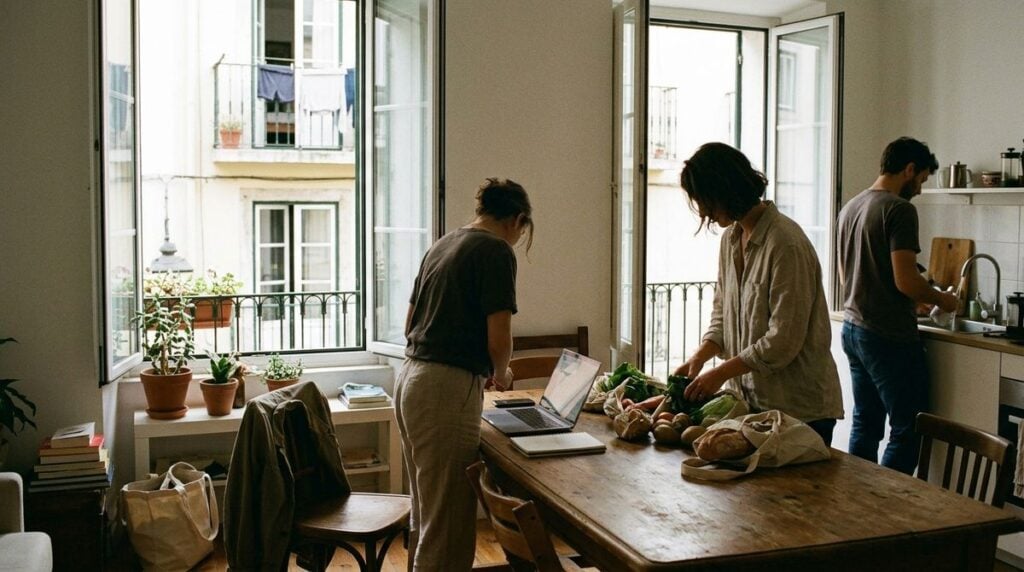
Stepping into a furnished rental in an unfamiliar neighborhood often brings mixed emotions. On one hand, there is the excitement of exploring a fresh destination, discovering quiet coffee shops, and settling into a new pocket of the world. On the other hand, the immediate reality of temporary accommodation can feel surprisingly sterile. Neutral walls, generic wall prints, utilitarian lighting, and unfamiliar kitchen setups can make it difficult to unwind after a demanding day. When your living space feels purely transitional, your daily energy often suffers, leaving you feeling adrift rather than settled.
Establishing a sense of grounding does not require signing a long lease or hauling heavy furniture across borders. Instead, creating a true home base is about intentional adjustments that bridge comfort, personal identity, and practical living. Whether you plan to stay in an apartment for several weeks or an entire season, treating your current environment with care turns a temporary address into a supportive sanctuary. By focusing on sensory comfort, deliberate spatial layout, and local awareness, you can transform even the plainest rental into a warm, functional retreat.
Rethink Lighting and Sensory Comfort in Shared Spaces
Most rental properties rely on harsh, cool-toned overhead bulbs that wash out rooms and create an institutional atmosphere. One of the simplest ways to change the mood of an apartment is to adjust the quality of light. Swapping out a couple of accessible bulbs for warm-toned alternatives can instantly soften a living room or bedroom. If you cannot easily change the fixtures, introducing compact desk lamps or battery-operated table lights helps generate pockets of ambient warmth. Turning off central overhead fixtures in the evening signals to your mind and body that it is time to slow down.
Tactile elements carry equal weight when softening an unfamiliar space. Standard rental sofas often feel slippery or stiff, while bare floors can make a living area feel chilly and echoey. Draping a lightweight, textured throw blanket over seating, arranging a couple of supportive cushions, and setting down washable runner rugs add instant warmth without permanent alterations. For practical guidance on enhancing interior aesthetics with tailored decorative elements, sources like deltadesignltd.co.uk provide helpful insight into creating balanced, visually appealing domestic environments that feel both welcoming and refined. Integrating a signature room scent through a subtle reed diffuser or scented candle can also anchor your senses, signaling that you are home the moment you walk through the doorway.
Cultivate a Grounded Mindset for Extended Travel and Stays
There is a profound psychological difference between traveling as a fast-paced tourist and living as a resident in a new city. When you visit a place for a couple of days, the goal is often to see as many sights as possible, dining out for every meal and treating the hotel room merely as a place to sleep. Over an extended stay, however, that relentless pace leads to fatigue and burnout. Shifting into a residential mindset means giving yourself permission to spend a quiet morning reading, preparing a simple breakfast on a weekday, or spending an afternoon doing ordinary laundry without feeling guilty.
Embracing slow living allows you to appreciate the subtle textures of your environment that typical tourists miss entirely. Observing daily street traffic, noticing when the neighborhood bakery opens its doors, and establishing a regular walking path through nearby parks provide quiet stability. For individuals who want to sustain this lifestyle over long journeys, communities like Morskoiboy.com share inspiring perspectives on what it really means to live across multiple places rather than just passing through as a temporary spectator. Learning to balance ongoing curiosity with domestic stability helps you maintain focus, creativity, and calm wherever you decide to unpack your bags.
Organize Functional Zones Within Compact Layouts
A common challenge in furnished rentals, particularly studio apartments or open-plan suites, is the blending of daily activities into one disorganized space. When you work from the same table where you eat dinner, and relax on the bed where you take video calls, boundaries dissolve. The brain struggles to separate professional focus from personal rest, leading to restless evenings and distracted mornings. Defining clear zones within the flat restores structure to your days and prevents the clutter of daily life from overwhelming your living quarters.
You do not need multiple rooms or room dividers to establish practical zones. Simple physical arrangements and consistent habits are often enough to delineate purpose across a small footprint. Consider implementing a few practical adjustments to keep your temporary space organized:
- Assign a specific desk or table corner strictly for remote work and laptop tasks.
- Establish an entryway tray or small console for keys, coins, and transit passes.
- Keep the bed exclusively for sleeping and quiet evening relaxation.
- Clear dining surfaces completely after meals so they do not collect random paperwork.
Once these physical boundaries are set, maintaining them requires only a few minutes of daily attention. Packing away work gear into a messenger bag at the close of the workday provides a tangible boundary that signals the start of leisure time. Similarly, keeping kitchen counters wiped clean and setting dishes aside immediately keeps compact spaces feeling spacious and calm.
Stay Connected to Local Municipal Systems and Civic News
Feeling at home in a new community involves more than arranging furniture; it requires understanding the public services and civic routines that govern your immediate area. Different cities handle everyday essentials like waste management, recycling schedules, street sweeping, and parking permits with distinct local rules. Missing these basic details can lead to unexpected fines or neighborhood friction, making you feel like an unwelcome outsider. Taking an afternoon to learn the local collection calendar and building guidelines fosters confidence and respect for your community.
Understanding how public utilities and municipal policies operate is an essential part of settling into any long-term stay. When local ordinances change or utility billing frameworks are updated, navigating the details can feel overwhelming for newcomers. Exploring how local newsrooms explain civic updates offers useful perspective on how communities communicate essential regulatory adjustments and public service shifts to everyday citizens. By consulting local community publications, neighborhood boards, and regional bulletins, you can stay informed about upcoming street repairs, transit adjustments, or seasonal utility policies without relying on guesswork.
Establish Familiar Everyday Routines in Your Neighborhood
True comfort takes root when you step beyond your front door and begin forming gentle connections with the surrounding streets. Rather than sampling a different coffee shop or market every single morning, pick one or two local spots to visit regularly. Greeting the same barista, chatting briefly with the neighborhood produce vendor, or exchanging a nod with morning dog walkers grounds you in the community fabric. These small human interactions create a feeling of belonging that no piece of interior decor can replicate.
Equally important is crafting personal rituals that travel with you, regardless of your geographic location. Whether it involves brewing a particular loose-leaf tea each morning, taking a gentle sunset stroll, or setting aside Sunday evenings for meal preparation, portable rituals bring an enduring sense of continuity. When you combine internal consistency with a welcoming living space, your rental becomes a reliable base from which you can explore the world with clarity and ease.
Transforming a temporary rental into a comfortable home base is an exercise in mindfulness and practical care. By softening your physical surroundings, respecting your need for quiet routines, and engaging meaningfully with the neighborhood around you, you create a sanctuary that nurtures both body and mind. No matter where your journey leads or how long you stay, cultivating a grounded domestic space ensures you always have a comforting place to return to at the end of the day.



