
Organizing a Weekly Meal Swap Among Friends and Neighbors
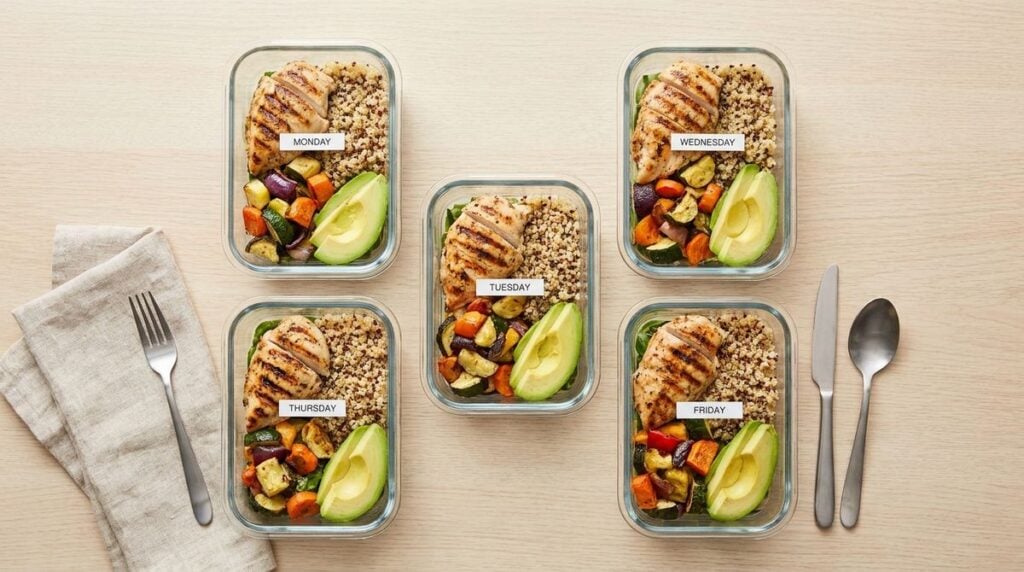
Preparing home-cooked dinners every night of the week can feel exhausting, especially when demanding work schedules and family responsibilities pile up. While batch cooking offers a sensible solution, eating the exact same meal several days in a row quickly leads to kitchen fatigue. A neighborhood meal swap presents a refreshing middle ground that allows each participant to cook once while enjoying genuine culinary variety throughout the week.
The concept is straightforward: a small group of households agrees to cook one large, multi-portion meal on a designated day and exchange dishes with each other. When everyone contributes, each household receives several completely different dinners for the effort of cooking just a single recipe. Success, however, relies on clear expectations, smart menu coordination, and dependable communication right from the start.
Establishing the Core Group and Ground Rules
Start by assembling a small, dependable group of three to five households who live relatively close to one another. Keeping the circle compact during the early stages makes drop-offs and pick-ups effortless. It also reduces the logistical complexity of coordinating schedules, tracking food containers, and managing distinct dietary restrictions across different kitchens.
Once the core group is formed, sit down together to establish basic scheduling rules. Decide on a regular exchange day that fits everyone’s routine, such as a Sunday evening or a Monday afternoon. Agree on how many portions each cook should provide, ensuring that portion sizes reflect the number of people living in each participating home so nobody feels shortchanged or overburdened.
Planning Balanced Menus That Suit Everyone
Menu coordination is where successful meal clubs either thrive or falter. Before lighting a single burner, have every participant list their food allergies, major ingredient dislikes, and general nutrition goals. A shared digital note or group chat makes it easy to preview upcoming meals and prevent two cooks from delivering nearly identical stew recipes on the exact same evening.
Aim for diverse dishes that focus on nutrient-dense produce, whole grains, and quality proteins. Relying too heavily on processed sauces or heavy cream bases can make weekly meals feel repetitive and overly heavy. Consulting dedicated wellness platforms such as Eat Well And Live Long can help home cooks find wholesome recipe ideas that emphasize balanced nutrition without sacrificing comforting everyday flavor.
It is also helpful to select recipes that reheat gracefully. Hearty vegetable bakes, slow-cooked soups, spiced lentils, and baked pasta dishes hold up far better over several days in the refrigerator than delicate fish fillets or flash-fried items. Consider keeping delicate components like crunchy salad toppings or fresh dressings packaged separately so they stay crisp until dinner is served.
Safe Food Handling Practices for Large Batches
Cooking for multiple families requires a higher level of attentiveness to kitchen hygiene and temperature control than preparing a simple dinner for yourself. Large pots of soup or chili retain heat for hours, which can create an environment for unwanted bacteria if the food sits out on the counter for too long. Dividing hot food into shallow containers speeds up cooling significantly before refrigeration.
Understanding proper storage timelines, cross-contamination prevention, and safe reheating practices protects everyone in your group from preventable foodborne illnesses. Exploring practical guidance from resources like teamvodkamartini.net can give participants a reliable foundation in kitchen sanitation and essential temperature benchmarks for batch preparation.
Transporting dishes safely is just as critical as the initial cooking process. When distributing food across town or even down the street, maintain the cold chain by using insulated tote bags equipped with cold gel packs. If a meal cannot be delivered immediately after cooling, place it straight into the coldest part of your refrigerator until the exact moment of exchange.
Practical Systems for Packaging and Container Swaps
Container confusion can quickly create friction in an otherwise cheerful meal exchange. When people lose their favorite cookware or struggle with mismatched plastic lids, enthusiasm wanes. The easiest solution is to invest in standardized glass food storage containers that stack easily in the refrigerator and move safely from the freezer to the oven or microwave.
A few simple habits around packaging can keep the entire logistics cycle running smoothly week after week:
- Label every container with the dish name, cooking date, and any allergen notes.
- Chill all hot food completely before sealing airtight lids to avoid trapped condensation.
- Use insulated bags to maintain appropriate temperatures during porch drop-offs.
- Wash and return all borrowed containers promptly so cooks have them for the next round.
Establishing a standard return policy prevents dishes from piling up in someone’s sink or cupboard. When participants commit to rinsing and returning containers promptly, the designated cook for the following round always has plenty of clean vessels ready to fill without having to send awkward reminder messages to neighbors.
Maintaining Enthusiasm and Handling Midpoint Lulls
Every collaborative project goes through an initial burst of excitement followed by a natural dip in energy. After a month or two, busy work weeks, travel plans, or general routine fatigue can cause participants to feel overwhelmed by their cooking assignment. Anticipating this midpoint slowdown allows the group to adapt rather than disband entirely.
When participation begins to feel like a chore rather than a convenience, pause the schedule and hold a quick group check-in. The core principles behind restarting a staff wellness program apply just as neatly here: simplify the initial commitment, listen to participant concerns, and adjust the pace so the routine feels supportive instead of burdensome.
Build scheduled break weeks into your rotation to prevent burnout before it starts. Allowing a scheduled week off every month gives everyone a chance to clear out their pantries, catch up on personal errands, and return to the kitchen with renewed culinary creativity and genuine enthusiasm for the next round of shared meals.
Cultivating Community Beyond the Dinner Table
While the immediate payoff of a meal swap is a refrigerator stocked with wholesome dinners, the deeper reward is the sense of connection it fosters. Sharing meals creates natural conversation starters with neighbors you might otherwise only wave to in passing. It turns daily nourishment into a collaborative neighborhood effort where everyone supports one another.
Begin on a modest scale with one or two trusted friends or neighbors before attempting to organize a large neighborhood network. Testing your system with a simple two-way exchange allows you to iron out drop-off routines, container preferences, and communication habits. Over time, you will build a dependable tradition that simplifies your evenings and brings wholesome variety to your dining table.



