
Hosting Board Game Nights in a Cafe Corner
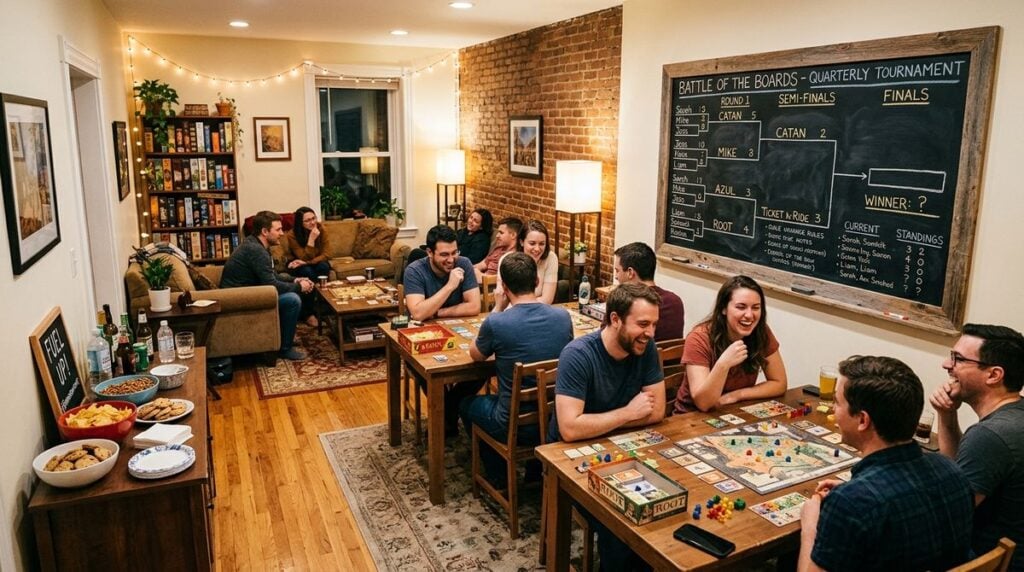
A cafe, bookshop or small bar does not need a games room to attract evening visitors. A corner table, a shelf of board games and a regular schedule can build a loyal crowd. Board game nights bring people together, encourage them to stay longer and create a relaxed atmosphere that suits small venues. This article explains how to choose games, arrange a compact space, handle group sizes and keep the evening running smoothly without disrupting regular service.
Choosing a Library That Fits the Space
Start with a small, well chosen collection rather than a huge shelf. Include a few quick games that teach in minutes, plus a couple of longer strategy titles for regulars who want depth. Consider games that suit two to six players, because most cafe tables seat small groups comfortably. Remove any game with missing pieces before opening the box in front of guests.
Store the collection on a shelf near the table so staff can grab a game without leaving the counter. Label each box with the player count and an approximate time. Checking condition after each event keeps the library attractive. Readers may also want to visit casetify.
Look for games with clear rule sheets that can be read in a minute or two. Shorter rules help newcomers join in without delay. Keep a few spare score pads or pencils near the shelf so that every table can start quickly.
Arranging a Table for Four to Six
A corner table with two benches and a pair of stools is a practical layout for small venues. Keep the table clear of cups and cutlery during play, and place a tray nearby for drinks. Plan a walkway so that staff can serve without squeezing between players. A cloth or mat protects the table and gives a visual cue that games are in progress.
Avoid placing the games area next to the coffee machine or the kitchen door, since noise and foot traffic will interrupt concentration. You can also visit Sali Blog for more reading. Consider a sign that invites passers by to join a table once a game ends.
Plan the first game to finish in under an hour, so that the room stays lively and players can pick another game if they wish. Keep a visible clock behind the counter and let guests know when the next round begins. A predictable pace suits busy cafes and bars alike.
Running Each Evening Smoothly
Plan the evening in three stages: a welcome, a main game and a short wind down. Greet guests as they arrive and explain the rules of the first game briefly. Keep rules short, because a long explanation discourages newcomers. Assign a host who can teach games and resolve disputes, even if that person is a staff member on a quiet shift.
Set a clear end time and let guests know it in advance. Offer a simple, inexpensive menu that does not require much attention during play. For a related read on this site, see Streamlining Your Daily Reading Routine for Clear Focus.
Invite a regular player to teach a game on certain evenings, which spreads the teaching load across the group. Thank volunteers in a small way, such as a free coffee or a mention on the bulletin board. Shared responsibility helps the evening feel like a community event.
Making Group Sizes Work
Groups vary, and a flexible approach keeps everyone involved. Offer one game for pairs and another for larger tables, so that solo visitors can join in easily. Ask the group what they enjoy and adapt the next session. Small adjustments show that the venue values its regulars.
Balanced teams help games feel fair. When a table has an odd number of players, a co-operative game or a quick card game can fill the gap. Keep the mix of formats varied so that the evening never feels repetitive.
Use a simple sign-up sheet at the counter so that the host knows how many tables are needed. Keep the sheet near the door, away from food. Clear numbers make it easier to reserve the corner and manage space around busy periods.
Building a Regular Crowd
Consistency builds attendance. Choose one evening each week and promote it on the venue’s bulletin board and social channels. Keep the schedule the same so regulars know when to arrive. Invite players to bring favorite games, but check the rules about safe storage before accepting donations.
Thank players who return, and ask for feedback at the end of the night. Over time the evening becomes part of the venue’s identity. A modest corner, carefully managed, can grow into a dependable gathering place for the local community.
A Corner That Brings People Back
Board game nights turn a small corner into a social hub. A thoughtful library, a flexible table layout and a predictable schedule create an evening people look forward to. The result is a venue that feels welcoming long after the last piece is packed away.



