
Revisiting Family Legal Papers After the Signing Is Done
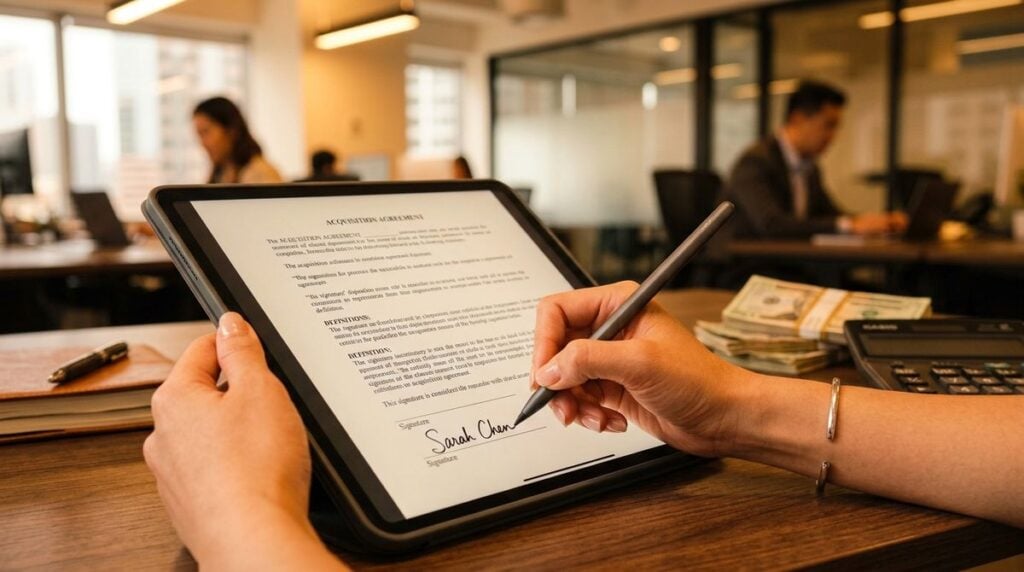
Signing a form or agreement is only the first step in a family’s paperwork. Documents often need follow-up, such as updated contact details, reminders about renewal or copies filed where the right people can find them. Many households discover these needs only when a notice arrives unexpectedly. A calm upkeep habit keeps papers useful after the ink dries, which matters for students, teachers and parents alike.
This article offers general information only and does not replace advice from a qualified professional in your area. The aim is to show how a simple routine can keep records accurate and easy to retrieve. The sections below describe weekly inbox checks, monthly contact reviews and yearly document reviews. They end with signs that a family document needs attention.
A Weekly Inbox Sweep for Notices
Set a standing time each week to scan email, school portals and postal mail for official notices. Sort anything that asks for a reply, a signature or a payment into a single folder so nothing hides among newsletters. Note each deadline in a shared calendar and assign one adult to follow up. Readers may also want to visit blog-buster.net.
Weekly sweeps reduce the stress of missed notices, especially when several family members receive messages from different places. Teachers and students can use the same habit for coursework paperwork and admission letters. Keep the routine short, and make sure the person doing it knows where originals and copies are kept. A brief habit beats a frantic search when a deadline is close.
Monthly Check of Contact Details and Addresses
Once a month, confirm that every school, employer and service provider has the current phone number, email and home address for the family. Outdated contact details are one of the most common reasons official messages go unread. Update the master list and send changes to anyone who needs them. You can also visit thenewsdetail.com for more reading. Some people keep this list in a notebook, while others prefer a protected digital file, and either can work well.
Monthly contact checks also reveal when a guardian listed on a form has changed. Families who have moved, separated or taken on new caregivers should revisit those records carefully. Write down who holds which copy and keep a short note of the last time each record was confirmed. A clear trail protects children and makes it easier to answer questions quickly.
Yearly Review of Documents Still in Force
Each year, go through the family’s important paperwork and confirm which items still apply. Consent forms, school agreements and rental or childcare arrangements may have ended or been replaced. Mark each item as active, archived or ready to discard after checking with the relevant organization. For a related read on this site, see Sustaining a Family Garden Project Through School Terms.
The yearly review also gives students and teachers a chance to tidy shared folders. Remove duplicates, rename files clearly and move older records into an archive. Clear naming makes it far easier to find a document quickly when a question arises. A tidy archive is a quiet form of protection that rarely gets the credit it deserves.
Warning Signs a Family Document Needs Attention
A notice that arrives after its deadline is an obvious warning, but quieter signs matter too. Repeated requests for the same paperwork suggest that copies are not being stored where people expect. Confusion about which version is current usually points to a missing review step. Treat these moments as prompts to improve the routine rather than as personal failures.
Another signal is an agreement that nobody remembers reading in full. When a family member feels unsure about the obligations in a form, slow down and reread the key sections together. Bring questions to the school, employer or provider in writing, and keep their replies with the document. Written answers are easier to rely on than memory during a busy term.
Warning signs can also appear when contact details stop matching across forms. A mismatch may delay approvals or send a message to the wrong place. Compare the records, correct the outdated item and note the change in the master list. Quick corrections keep small errors from growing into time-consuming problems.
Some notices arrive asking for a reply or a payment that nobody expected. Pause before answering, open the original form and confirm the request through the official contact details already stored in the master list. Notices sometimes copy the style of real correspondence, so verification matters more than speed. Keep a short note of who was contacted, when a reply was sent and what was promised. That habit makes it far easier to explain the history if a question comes up later in the school year. Careful follow-through protects families and gives teachers and students a clear trail to rely on. Revisit the note at the next monthly check so nothing stays open longer than it should.
Keeping the Paper Trail Honest
A family’s paperwork stays useful when it receives small, regular attention rather than occasional panic. Weekly sweeps, monthly contact checks and yearly reviews together keep records accurate and easy to find. Start with the habit that feels most urgent, and let the rest of the routine follow as the household settles into it.



