
How to Ease Physical Tension and Mental Fatigue at Home
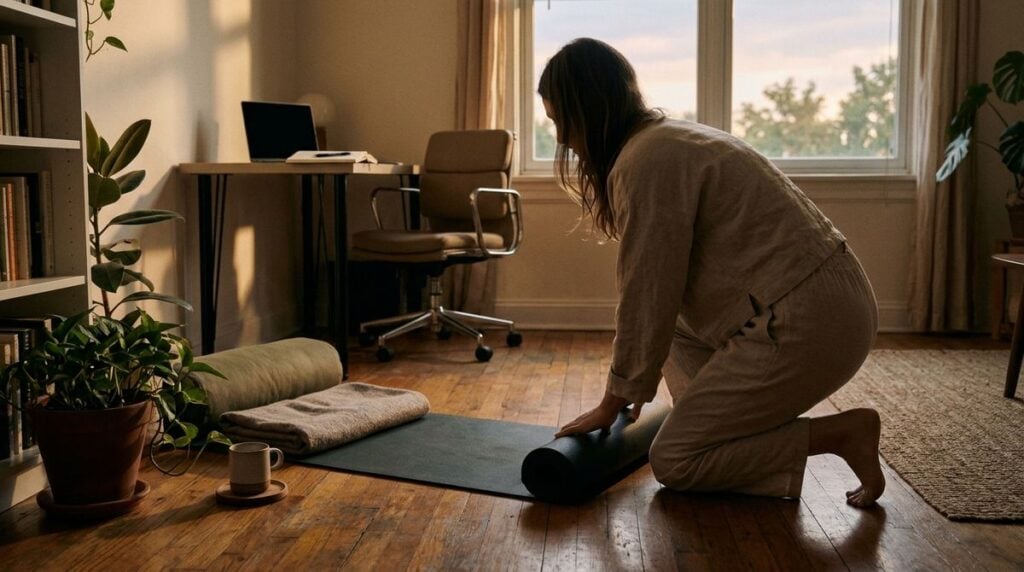
Modern living places steady demands on both mind and body that quietly accumulate over time. When hours are spent looking at computer screens, managing household chores, and meeting daily deadlines, physical stiffness and mental exhaustion often arrive together. You might notice tight shoulders, a sore neck, or a haze of fatigue that makes simple choices feel heavy. Rather than waiting until exhaustion forces a sudden stop, addressing tension early creates space for steady recovery and calm throughout the week.
Finding relief does not require complicated routines or expensive wellness retreats. Many of the most dependable ways to soothe an overworked system are grounded in ordinary adjustments you can make right in your living room or kitchen. By understanding how physical discomfort and mental strain feed into each other, you can adopt practical measures to bring comfort, clarity, and ease back into your everyday routine.
Recognizing How Physical Strain and Mental Stress Interlock
The body and mind operate in constant communication. When mental stress runs high from busy schedules or personal obligations, the nervous system prompts muscles to contract defensively. This subtle holding pattern settles across the jaw, neck, and upper back without conscious awareness. Over days or weeks, this posture turns into nagging aches, persistent tightness, and general physical restlessness that makes unwinding difficult.
Conversely, ongoing bodily discomfort sends distress signals back to the brain, heightening irritability and draining mental reserves. Breaking this reactive cycle begins with quiet self-observation during your normal schedule. Unclenching your teeth, dropping your shoulders away from your ears, and taking several slow breaths into your abdomen signals safety to your nervous system. These small physical releases interrupt the cycle of stress before it hardens into deeper exhaustion.
Gentle Home Measures to Support Everyday Physical Comfort
When muscular stiffness sets in, gentle home care can provide welcome soothing without demanding complicated equipment. Applying warmth is one of the simplest and most accessible tools available. A warm compress placed across the shoulders, a warm shower after a long day, or a quiet bath helps loosen tight muscle fibers and encourage healthy circulation. Pairing warmth with light stretching or joint rotations can restore ease to areas that feel locked after prolonged sitting.
Herbal teas and thoughtful home remedies also offer comforting support during demanding days. Sipping a cup of warm chamomile, peppermint, or ginger infusion provides soothing warmth while giving your senses a tranquil pause. For dependable guidance on modern, practical home approaches to common discomforts, visiting natural-remedies-nurse.com can help you discover sensible options for nurturing your body naturally. Pairing these soothing practices with steady water intake keeps tissues pliable and supports your natural vitality throughout the day.
Cultivating Mental Focus and Sustainable Lifestyle Choices
Physical comfort is only half of the wellness equation; mental fatigue requires its own dedicated care. When your brain feels scattered from handling too many incoming inputs, pushing through with sheer willpower often backfires, leaving you depleted. Sustainable mental energy comes from pacing your tasks, protecting quiet intervals, and limiting constant digital interruptions. Giving your mind dedicated periods of single-tasking allows you to process thoughts calmly and effectively.
Regular, moderate physical movement plays a major role in clearing away mental cobwebs and restoring sharp attention. You do not need exhausting workout sessions to refresh your mind; a brisk walk outdoors or light mobility work can shift your state of mind remarkably fast. If you are seeking thoughtful inspiration to stay motivated and adopt smart ways to support personal wellness, exploring resources like Psychedelicsminds.com provides practical encouragement for aligning daily fitness and positive habits. Focusing on gradual, steady gains creates a healthy lifestyle that feels rewarding rather than exhausting.
Creating an Evening Reset to Restore Restful Sleep
Deep, restorative sleep is the natural foundation upon which mental clarity and physical comfort are rebuilt each night. Yet, when evening arrives, many people struggle to transition from daytime busyness to nighttime relaxation. Lying in bed with an active mind or tense muscles prevents the deep rest your body requires to repair tissues, balance emotions, and consolidate thoughts after a demanding day.
Developing an evening wind-down routine builds a peaceful buffer between daytime demands and your night of rest. Lowering artificial lighting, stepping away from bright screens well before bedtime, and keeping a cool, quiet bedroom prepare both mind and body for sleep. For broader strategies on maintaining sustainable self-care habits over time, learning how to create realistic wellness habits that actually stick can ensure your nighttime habits remain consistent and effective. When you approach your evening with patience, your sleep naturally becomes deeper and far more rejuvenating.
Simple Daily Adjustments to Keep Strain Away
Preventing fatigue is far easier than trying to recover from complete physical and mental depletion. Integrating small, proactive adjustments throughout your waking hours keeps tension from building up to uncomfortable levels. You can weave these practical habits into an ordinary work or home schedule without disrupting your productivity or requiring special equipment.
- Take regular standing and mobility pauses during seated work to release spinal pressure and stretch tight hips.
- Keep fresh water nearby and sip consistently throughout the day rather than waiting until you feel thirsty.
- Step outside into natural daylight during the morning or midday to support healthy energy levels and alertness.
- Establish clear boundaries between focused work tasks and personal leisure time to give your mind genuine downtime.
- Practice slow, deep diaphragmatic breathing whenever you notice stress rising in your body or thoughts racing.
These small adjustments may seem modest on their own, but their cumulative impact across the week is substantial. They act as steady shock absorbers against the natural friction of busy schedules, keeping your physical frame loose and your mental perspective clear. When you make these actions automatic, you protect yourself against the gradual buildup of unneeded tension.
Finding Your Own Balance for Long-Term Vitality
Caring for your body and mind is not a rigid project with a strict finish line or uniform rules. Everyone experiences periods where work demands surge, family needs multiply, or unforeseen events cause temporary strain. The goal is not to eliminate all stress, which is impossible in a full life, but rather to build reliable personal tools that help you return to center when life becomes hectic.
By listening closely to your physical cues, adopting gentle remedies when stiffness appears, and protecting your mental energy, you can navigate busy seasons with greater ease. Treat your personal recovery as an essential part of living well rather than an afterthought. When you invest steady care into your daily comfort, you create a resilient foundation that supports everything else you choose to pursue.



