Keeping a Family Garden Project Alive When a Trip Interrupts It
A family garden project often starts with real enthusiasm. Children pick out seed packets, the parents mark out the beds and everyone imagines the harvest. Then a summer trip arrives on the calendar, the watering schedule falls apart and the plot that was supposed to thrive begins to look tired. The project is not lost, but it does need a plan for the middle stretch.
The steps below explain how to build a garden routine that survives time away from home. They suit parents who want a shared activity, students who are tracking a school plant assignment and teachers who run classroom gardens over holidays. The advice is general in nature, so adjust the timing to your local weather and the plants you choose.
Planning Around the Days Away
Start by writing the trip dates on the same calendar that holds the planting schedule. Seeing both together makes it obvious which weeks will be tricky, and it leaves room for a few small changes before the trip begins. Pick plants that tolerate a short dry spell, since those are far more forgiving than thirsty crops that wilt within two days.
Some families also ask a neighbor or a friend to check the garden while they are away. A short note with clear instructions helps, including how much water each bed needs and what to do if a plant looks unwell. Readers may also want to visit weborizon.info.
Setting Up Simple Watering Systems
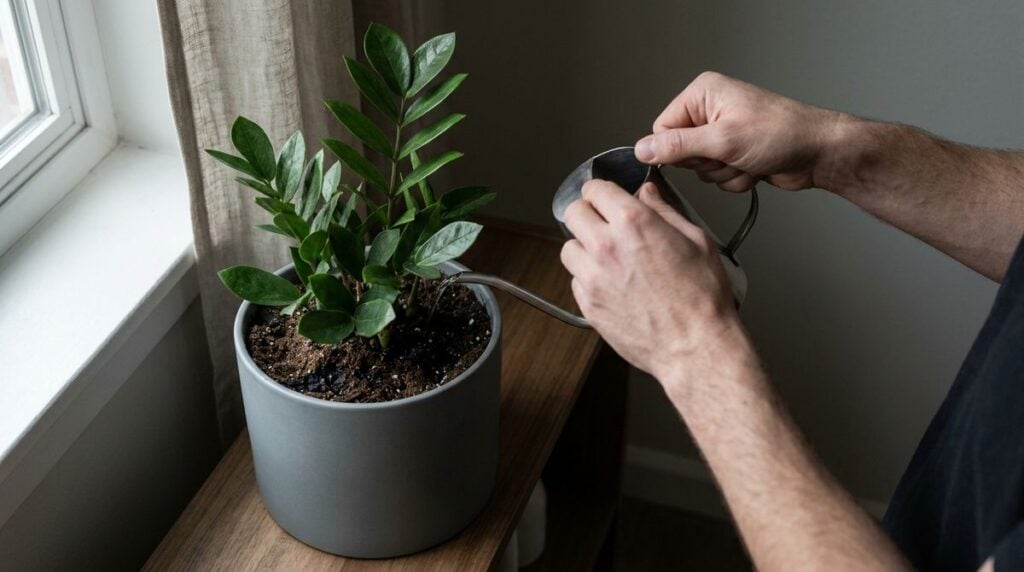
Watering is the first thing to fail when a household travels, so set up a method that works without daily attention. Soaker hoses on a timer, mulch that holds moisture and containers grouped together in shade are all practical choices. Each tool has limits, so test any new setup for a few days before you leave.
Pots dry out faster than in-ground beds, which means they need extra attention before departure. Move them into a partly shaded spot and water them deeply the evening before you go. You can also visit studioroom906.com for more reading.
Involving Children Before the Trip
A garden keeps its appeal when children feel responsible for part of it. For a related read on this site, see How to Plan a Dog-Friendly Backyard for Everyday. Give each child one bed, one plant and one daily task that fits their age. A younger child might water a single pot, while an older child can check leaves for pests and record growth in a notebook. These small jobs create a sense of ownership that makes a missed week feel less like a disaster.
Turn the trip itself into a learning opportunity. Ask children to predict how each plant will look when they return, then compare those predictions with the real results. Teachers often use this exercise in classroom gardens, and it works just as well at home. The discussion can also cover how weather, water and sunlight shape a plant’s growth.
Choosing Plants That Forgive Gaps
Plants vary widely in how much attention they need. Lettuce, radishes and most herbs grow quickly and can handle a short gap in care if the soil is moist before departure. Slow crops such as large tomatoes or peppers need steady support and are better planted after the trip, when someone can check them every few days. Choosing the right mix turns a planned absence into a manageable part of the season. A short list of reliable plants can be shared with neighbors, so the garden feels cared for even when the family is not home.
Mulch is another quiet ally. A layer of straw or shredded bark slows evaporation and keeps roots cooler during warm afternoons. Children can help spread it before the trip, which gives them a visible job and a reason to look at the bed again on return. Many home gardeners find that a few well chosen plants bring more joy than a crowded bed that needs constant attention. Simpler beds also make it easier for a child to spot a problem early.
Using Travel as a Garden Lesson
Some families take photographs of the garden each morning and send them to a shared album or a message thread. The updates keep the younger members involved and give relatives something to comment on. A short weekly review after the return makes the experience even richer, because everyone can compare the photos and talk about what surprised them.
If a plant does not survive, treat the loss as useful information rather than a failure. Note what went wrong, adjust the spacing or the watering method, and try again next season. The family garden becomes a long-term record of trial, error and gradual skill. Many households keep a similar journal, and the format suits both home and school projects.
A Garden That Waits Patiently
A family garden does not have to stop when the suitcases come out. With a shared calendar, simple watering tools and clear roles for each child, the project can continue quietly while everyone is away. The return home then becomes a happy inspection rather than a rescue, and the plot is ready for the next round of planting.