Designing a Calm Home Study Nook for Lifelong Learning
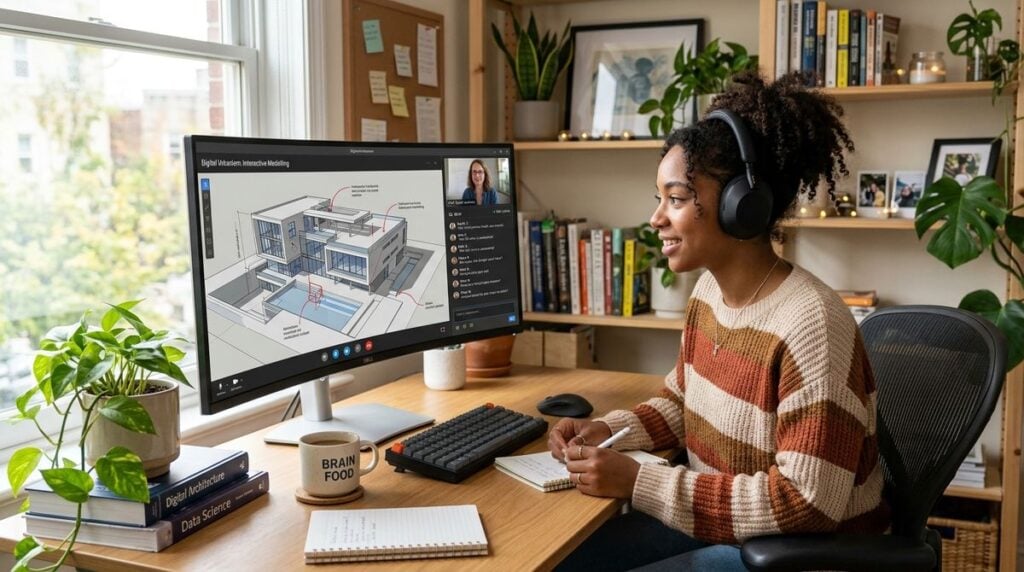
Learning does not stop when formal schooling ends, but finding the mental clarity to pursue new subjects at home can feel challenging. Between household duties, daily work routines, and the endless stream of digital notifications, setting aside quiet time to read and explore unfamiliar concepts often takes a back seat. When you try to read at the kitchen table or review material on the living room sofa, everyday household distractions tend to pull your attention away.
Creating a small, dedicated study nook offers a physical boundary that separates your daily chores from your personal growth. You do not need an entire spare bedroom or an expansive library to build an effective study environment. With a thoughtful arrangement, a dependable collection of introductory resources, and a regular routine, even a modest corner of your home can transform into a welcoming center for quiet concentration and lifelong curiosity.
Choosing the Right Spot in a Busy Living Space
The first step in setting up a home study nook is selecting a location that naturally supports focus. Look around your home for an underutilized alcove, a quiet corner of a bedroom, or even a well-lit space near a window in the den. The primary objective is to find a spot with minimal foot traffic, away from television screens and high-activity zones like the kitchen counter. Natural light is ideal for daytime reading, as it reduces eye strain and keeps your workspace feeling open and inviting.
If space is limited, portable boundaries can make a significant difference. A simple folding screen, a tall bookshelf, or a strategically placed indoor plant can establish visual separation from the rest of the room. When you step into this small zone, your mind begins to associate the physical setting with deep focus and calm inquiry. Keep the space uncluttered by furnishing it with only the essentials: a comfortable chair that supports healthy posture, a sturdy surface for writing, and focused task lighting for late afternoon or evening study sessions.
Ventilation and temperature also play subtle yet important roles in how long you can comfortably read without feeling drowsy. A corner that receives fresh air from a nearby window or gentle airflow from a quiet fan will keep your mind alert during extended reading periods. Position your desk so that glare from overhead light fixtures does not bounce directly off book pages or notepads, ensuring that your eyes remain comfortable through every chapter.
Organizing Materials and Curating Reliable Resources
A functional study nook relies on thoughtful curation rather than an overwhelming pile of textbooks. When embarking on self-directed learning, it is easy to collect dozens of volumes that end up collecting dust and creating visual fatigue. Instead, focus on gathering a small selection of foundational texts that explain complex ideas in clear, straightforward language. Having a couple of well-organized reference works at your desk will do far more for your momentum than a towering stack of unread material.
Exploring comprehensive educational platforms can help you discover accessible subject overviews and introductory reading lists without unnecessary frustration. Browsing through resources like eastavenuebooks.com allows learners to discover reliable avenues for broadening their knowledge across various fields of study. Keeping your reference materials neatly arranged in small desktop organizers ensures that whatever you need is always within arm’s reach. When every book, notebook, and pen has a defined home, starting a study session requires very little mental effort.
Consider dividing your physical shelf space between current reading material and reference tools. Keeping current reading front and center prevents your attention from wandering toward future topics before you finish your immediate goals. Highlighters, sticky notes, and clean lined paper should sit together in an open container, making note-taking an effortless, tactile part of your daily routine.
Structuring Effective Sessions for Everyday Learners
Carving out a physical space is only half the equation; developing a realistic and sustainable approach to the material is equally vital. Many independent learners encounter friction because they attempt to tackle difficult subjects in marathon sessions, leading quickly to burnout and frustration. A more effective approach is to divide your learning into manageable blocks that fit comfortably into your normal lifestyle. Approaching a complex subject for a short, focused period allows your brain to digest ideas without feeling overwhelmed.
To make genuine progress, focus on active reading techniques rather than passive page-turning. Summarize key ideas in your own words in a dedicated notebook, sketch simple diagrams, and review your notes briefly before moving on to new chapters. For those looking to refine their learning routines and develop disciplined study habits, exploring practical study methods at snm-education.com can provide valuable perspective on studying efficiently rather than exhausting yourself through sheer repetition. Consistent, well-structured sessions keep your interest alive over weeks and months.
Pacing yourself also means acknowledging when your attention begins to fade. Taking brief pauses to stand up, stretch, and drink a glass of water allows your mind to consolidate the information you have just processed. Independent learning works best when it feels like a rewarding pursuit rather than an endurance test, so listening to your body helps maintain long-term enthusiasm.
Balancing Household Environment and Personal Focus
A peaceful study environment does not exist in isolation from the rest of your household. The atmosphere of your home directly influences your ability to sit down and concentrate. When your living space feels cluttered or chaotic, that tension naturally drifts into your study sessions. Maintaining simple, low-effort household routines helps protect your study nook from becoming an overflow station for laundry, mail, or miscellaneous household items.
Cultivating a tranquil setting often involves simple lifestyle choices that make your surroundings feel restful. Just as incorporating low-maintenance greenery through container gardens for families who travel often creates a peaceful backdrop without adding burdensome chores, designing a tidy study corner brings harmony to your home. Adding a single potted plant or keeping the desk surface clean can make your nook feel like an inviting retreat rather than another task on your to-do list.
Communicating your study time with those you live with is another helpful way to protect your concentration. Letting family members or housemates know when you plan to spend quiet moments reading helps prevent well-meaning interruptions. Setting clear, friendly expectations around your dedicated study period allows everyone in the household to respect each other’s personal space and downtime.
Building a Sustainable Long-Term Habit
The true reward of a home study nook comes from returning to it regularly with genuine curiosity. Lifelong learning should be an enjoyable personal pursuit, not a source of guilt or pressure. If a busy week interrupts your schedule, simply return to your desk when time permits without worrying about lost momentum. Celebrate the small insights you gain along the way, whether you finish a single chapter or grasp an unfamiliar concept.
To keep your study corner practical and welcoming each day, consider establishing a brief routine whenever you sit down:
- Clear away loose papers and beverage mugs before opening your materials.
- Set a single, modest objective for the time you have available.
- Keep a dedicated notebook for questions you want to look up later.
- Silence phone notifications and place digital devices out of immediate view.
- Take a few moments at the end of each session to tidy the desk for next time.
With a dedicated physical space and a balanced mindset, personal development fits naturally into everyday home living. Your study corner can become one of the most rewarding areas in your home, serving as a quiet sanctuary where you can explore new ideas at your own pace and enjoy the steady process of discovering the world around you.