Agreeing on Who Waters What When Neighbors Share a Garden Trip Plan
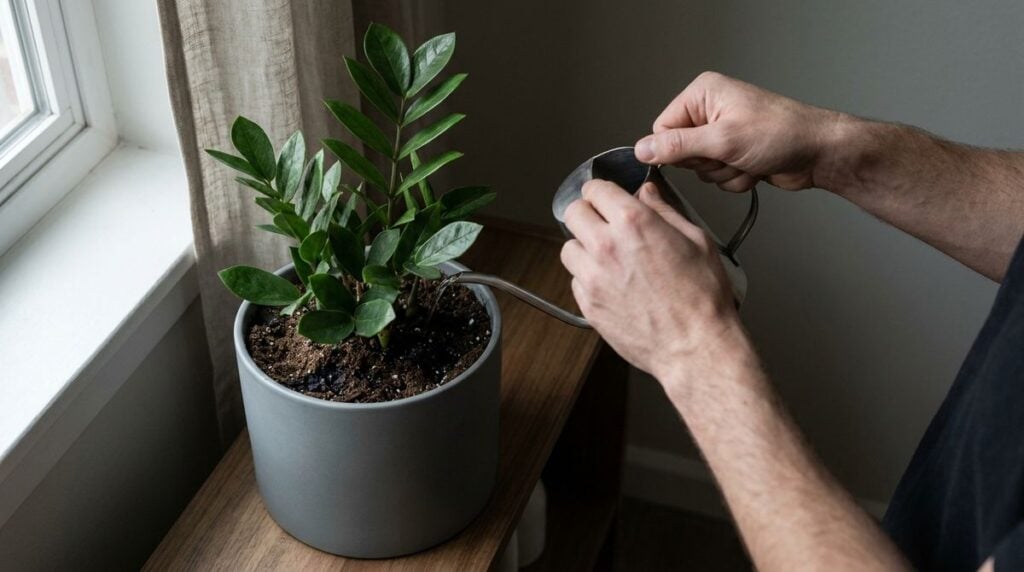
Trips with children often leave a garden in the care of a neighbor or a relative. Sharing that responsibility can turn a quiet holiday into a small argument about who waters what. A clear plan removes most of the guesswork. This guide explains how families, students and teachers can agree on tasks, access and backup help before the suitcases come out of the cupboard.
Making a Written Watering and Feeding Plan
Begin with a simple list of every plant, bed and container that needs attention during the trip. Note which ones need water every day, which need a deeper soak twice a week and which can manage on their own. Readers may also want to visit Wheon News. A visual guide helps a helper who has never visited the garden before.
Include the basic routine for the weather at home, such as shade, wind and rain. Explain how to check soil by touch rather than guessing from the surface. Keep the plan short, usually one page, so the helper can read it in a few minutes at the gate. Clear instructions protect both the plants and the friendship.
Sharing Keys and Access Without Friction
Access is the detail that causes the most stress when neighbors help each other. Decide who holds a spare key, how long it stays with the helper and where it is returned. Write the arrangement on the plan so there are no surprises at the gate. Some households prefer a lockbox, while others simply leave the key with a trusted neighbor.
You can also visit under-news.com for more reading. Ask the helper to confirm the arrangement by message before the trip begins. Remove access as soon as the holiday ends. These small steps keep trust high without making the favor feel like a burden.
Splitting Visits Between Two Helpers
If a garden needs daily visits, consider splitting the work between two helpers who live nearby. One person can handle watering while the other checks for pests, removes faded flowers or collects ripe vegetables. Clear roles stop both helpers from doing the same job twice or missing it altogether. For a related read on this site, see Smart Ways to Research and Upgrade Everyday Household.
Agree on a short handover message that each helper sends at the end of a visit. The note can be a single line stating what was done and what needs attention next. This habit keeps everyone informed without endless phone calls. It also gives the owner a quick record of how the plants are doing.
Handling Surprises Like Dry Spells or Storms
Weather rarely follows the plan, so the team needs a backup routine. If a heat wave arrives, the helpers may need to water earlier in the day and check containers more often. After a storm, they should look for fallen branches, flooded beds and loose supports. Record any changes on the shared sheet so the owner understands what happened.
Decide ahead of time who makes the final call on unusual problems, such as a damaged greenhouse or a sick tree. Usually the owner should be reached first, with the helper given clear permission to act on basic tasks. A short list of phone numbers and a clear order of priorities keeps stress low. Preparation makes a surprise feel like a small detour.
Pests can appear quickly when a warm week follows a wet one. A helper who spots the first signs should photograph the leaves and send the picture with a short note. The owner can then decide whether to act at once or wait for the return. Clear photos make distance decisions far easier.
Keep a small kit by the gate with gloves, a spare hose connector and a labeled bag for soil samples. Helpers do not need to search the shed in a rush. A tidy kit shows that the arrangement has been planned with care.
Thanking Helpers When the Trip Ends
A few kind words go a long way after a favor. Return the kindness when you can by offering to water the helper’s plants or share extra produce. A small gift of homegrown herbs or a handwritten card also works well. The aim is to keep the give and take balanced and warm.
Afterward, talk through what worked and what could be simpler next time. Update the plan with new tips, such as which hose fitting leaked or which pot dried out first. Keeping those notes makes the next trip easier for everyone involved. Good gardens and good neighbors both grow with steady attention.
Gratitude can also take the form of a shared photo of the garden in full bloom. Send it to the helpers with a line that recognizes their steady work. People enjoy seeing the results of their effort.
If a helper misses a visit because of illness or a schedule clash, respond with patience rather than frustration. Agree on an alternative plan together, and keep the tone friendly. Trust grows when mistakes are handled with generosity.
Looking After Plants Together
A shared garden trip works best when the plan is written, the keys are tracked and the helpers know where to turn. Start with a single page this week and let the details grow from real experience. Plants respond to care, and so do the people who give it.