GPS Tracking Devices Gain Momentum with IoT and Smart Mobility Integration
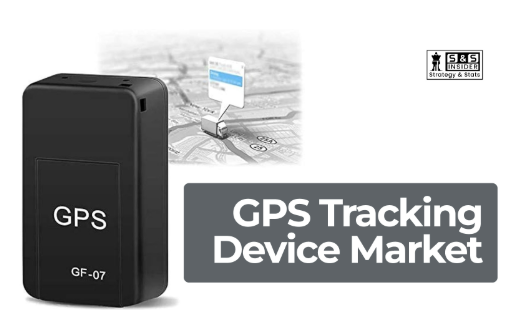
The global market for location-based technologies is undergoing a major transformation as industries increasingly prioritize real-time visibility, operational efficiency, and asset security. GPS tracking devices have moved beyond basic navigation tools to become essential components across logistics, transportation, construction, healthcare, and personal safety applications. Rising digitization, fleet automation, and the integration of IoT technologies are significantly reshaping demand patterns worldwide.
The GPS Tracking Device Market was valued at USD 3.17 billion in 2023 and is expected to reach USD 10.03 billion by 2032, growing at a CAGR of 13.69% over the forecast period 2024–2032. This strong growth trajectory reflects accelerating adoption across commercial fleets, smart cities, consumer electronics, and industrial operations. Organizations are increasingly leveraging GPS tracking solutions to enhance route optimization, reduce fuel costs, prevent theft, and improve compliance with safety and regulatory standards.
One of the primary factors contributing to market expansion is the rapid growth of fleet management systems. Logistics and transportation companies are deploying GPS tracking devices to monitor vehicle movement, improve delivery timelines, and gain actionable insights through real-time data analytics. As e-commerce continues to expand globally, the need for accurate tracking, last-mile delivery optimization, and fleet visibility has become a strategic necessity rather than a value-added feature.
Another key growth contributor is the increasing use of GPS tracking devices in asset monitoring and theft prevention. Industries such as construction, mining, and equipment rental rely on these devices to safeguard high-value assets and monitor utilization across dispersed locations. In parallel, the growing popularity of vehicle theft recovery solutions among consumers has further strengthened market demand, particularly in urban regions with rising vehicle ownership.
Market Drivers Accelerating Growth
Technological advancements remain a critical driver shaping the GPS tracking device market landscape. Continuous improvements in satellite positioning accuracy, battery efficiency, and miniaturization have enabled the development of compact, cost-effective devices suitable for a wide range of applications. Integration with cloud platforms and mobile applications has further enhanced usability, allowing users to access real-time location data and historical movement patterns from anywhere.
The convergence of GPS technology with the Internet of Things has significantly expanded use cases across industries. IoT-enabled GPS tracking devices offer predictive analytics, geofencing capabilities, and automated alerts, empowering businesses to make data-driven decisions. This integration has been particularly valuable in supply chain management, where real-time tracking reduces operational risks and improves transparency.
Regulatory mandates related to vehicle tracking and safety compliance are also supporting market growth. Governments and regulatory bodies in several countries have introduced policies requiring GPS installation in commercial vehicles, school buses, and hazardous goods transport. These regulations are accelerating adoption and creating long-term demand stability for tracking device manufacturers.
Consumer adoption has also increased, driven by growing awareness of personal safety and vehicle security solutions. GPS trackers for personal vehicles, pets, children, and elderly individuals are gaining traction as smart lifestyle products. The declining cost of GPS modules and rising smartphone penetration have further lowered entry barriers for consumers, expanding the overall market base.
Future Outlook
The future of the GPS tracking device market appears highly promising, supported by ongoing innovation and expanding application areas. Artificial intelligence and machine learning are expected to play a more prominent role in analyzing location data, enabling predictive maintenance, behavior analysis, and intelligent route planning. These advanced capabilities will transform GPS tracking devices from passive monitoring tools into proactive decision-support systems.
The adoption of 5G connectivity is anticipated to further enhance real-time tracking accuracy and data transmission speed. Faster networks will enable seamless integration with autonomous vehicles, smart infrastructure, and next-generation mobility solutions. As industries increasingly focus on digital transformation, GPS tracking technology will remain a core enabler of connected ecosystems.
Sustainability initiatives are also likely to influence future market trends. Businesses are adopting GPS-based solutions to reduce fuel consumption, lower carbon emissions, and optimize resource utilization. This alignment with environmental goals is expected to create additional opportunities across logistics, public transportation, and urban planning projects.
Conclusion
The GPS tracking device market is on a strong growth trajectory, driven by expanding commercial applications, technological advancements, and rising consumer awareness. From fleet management and asset tracking to personal safety and smart mobility, GPS tracking devices have become integral to modern digital infrastructure. With continued innovation, regulatory support, and increasing reliance on real-time data, the market is well-positioned to achieve sustained growth through 2032 and beyond.
FAQs
What is the CAGR of the GPS Tracking Device Market?
The market is projected to grow at a CAGR of 13.69% during the forecast period from 2024 to 2032.
What is the forecasted market size by 2032?
The GPS Tracking Device Market is expected to reach USD 10.03 billion by 2032.
Which regions are expected to experience strong growth?
Growth is being driven by increased adoption across developed and emerging economies, supported by fleet digitization, regulatory mandates, and rising consumer demand for tracking solutions.