
How to Balance Everyday Driving and Two-Wheeled Commutes
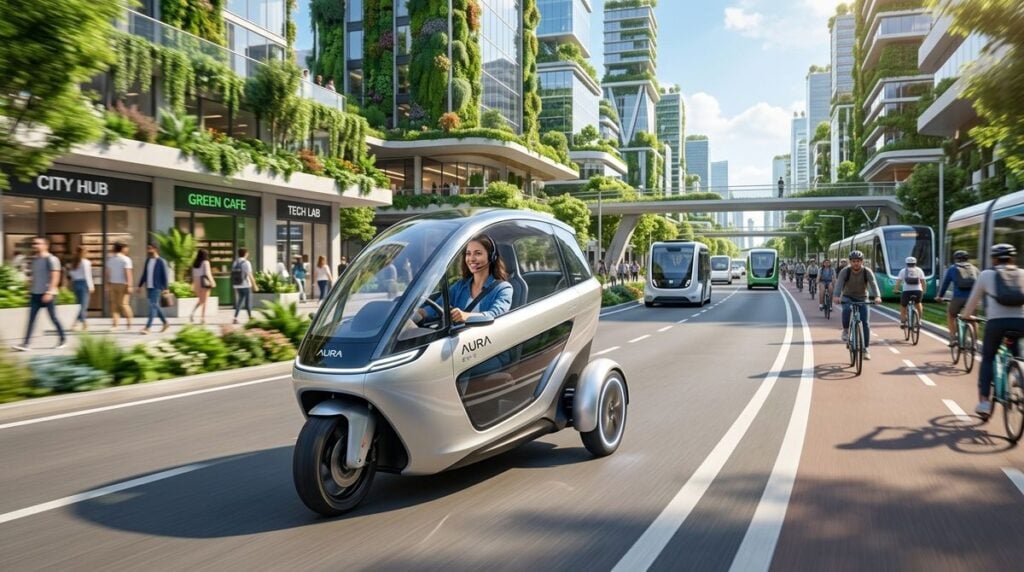
Navigating daily transit often feels like a series of compromises between comfort and agility. Many commuters default to driving a standard automobile for every errand, trip, and commute simply because it sits parked outside the door. Over time, spending every trip enclosed in a heavy vehicle through slow-moving traffic can turn simple neighborhood errands and morning travel into an exhausting chore.
Introducing a two-wheeled vehicle alongside a family car or daily sedan offers an appealing solution for travelers who want flexibility. By pairing the weather protection and carrying capacity of an automobile with the nimbleness and engagement of a motorcycle or scooter, you can customize each journey to fit the day ahead. Achieving this balance requires thoughtful planning around safety, maintenance, and routine scheduling.
Evaluating Your Regular Route and Parking Options
The first step in splitting your time between two wheels and four is an honest assessment of your typical itinerary. A direct highway route with wide shoulders and minimal stoplights presents a very different experience than an urban trek filled with tight alleyways, delivery trucks, and street sweeping restrictions. Taking note of surface conditions, typical traffic patterns, and safe parking areas will help determine when riding makes practical sense.
Parking convenience often dictates which vehicle to choose on any given morning. Cities with congested central districts frequently offer dedicated bays for motorcycles where cars cannot easily fit, saving significant time during peak hours. Conversely, leaving an open two-wheeler parked outdoors in unmonitored lots for extended hours might cause unnecessary worry compared to locking an enclosed car.
Selecting a bike that complements your physical comfort and daily commute is essential if you plan to ride regularly. Exploring options through martin-bike.com can help riders discover machines that balance comfortable ergonomic seating with road performance tailored to their personality and daily travel demands.
Establishing a Sustainable Maintenance Routine
Managing two vehicles with distinct mechanical needs requires an organized garage approach. An automobile demands routine attention to engine oil, coolant levels, tire tread depth, and cabin air filters. While cars can often travel substantial distances between major service intervals, they still require steady visual inspections to ensure reliable operation through changing seasons.
Two-wheeled machines require a more frequent hands-on inspection schedule before each journey. Drive chains need regular cleaning and lubrication, tire pressures must stay strictly dialed in for stable cornering, and brake pads require close visual monitoring. Setting aside a short window on weekend mornings to inspect cables, fluid levels, and tire wear prevents small oversights from turning into roadside hassles.
Staying informed about automotive innovations, service intervals, and ownership advice helps drivers keep their primary vehicles operating smoothly without costly guesswork. Resource hubs like motogprem.com provide useful insight into automobile industry news, vehicle comparisons, and general ownership guidance that supports smarter long-term garage decisions.
A Simple Checklist for Daily Vehicle Selection
Waking up each morning to decide between the car and the motorcycle can introduce decision fatigue if you lack clear selection criteria. Establishing basic guidelines makes the choice instantaneous and stress-free, ensuring you leave the driveway equipped for whatever conditions lie ahead.
Before grabbing your keys, run through a quick mental checklist to assess the day:
- Inspect the weather radar for heavy rain, high winds, or freezing temperatures along your travel path.
- Review the size and shape of any cargo, groceries, or gear you must transport throughout the day.
- Consider the parking setup and security at your final destination and intermediate stops.
- Assess your personal energy and physical alertness before committing to an active ride.
Keeping your riding apparel readily accessible removes friction from the morning departure. If helmets, armored jackets, gloves, and riding boots are tucked away in distant closets, you will naturally default to driving the car even on clear mornings. Dedicated shelving and coat hooks near the garage door make gearing up as quick and effortless as grabbing a winter coat.
Reclaiming Personal Energy for Leisure and Community
A major benefit of streamlining your daily travel routine is the mental space it preserves for life outside of work. Long, frustrating traffic jams in an isolated vehicle can leave commuters feeling drained before evening social activities even begin. In contrast, an engaging commute on clear days can act as a mental palate cleanser between the workplace and home.
When daily transit becomes an enjoyable part of your schedule rather than lost time, you arrive home with greater motivation to pursue personal hobbies and local gatherings. Building rich neighborhood routines often mirrors the creativity seen in unique social settings, such as hosting game nights in plant shops, where thoughtful use of shared physical environments brings people together.
Balancing two travel modes also encourages you to explore scenic back roads and neighborhood streets that you might bypass on a routine highway drive. Over time, this curiosity fosters a deeper connection with your surroundings and helps you appreciate local landmarks that usually blur past an automobile window.
Adapting Your Mobility Plan for Seasonal Shifts
Seasonal transitions inevitably reshape how you balance driving and riding. During mild spring and autumn months, two wheels often become the primary choice for weekday travel, while the automobile handles bulky weekend errands and family outings. Recognizing these natural seasonal ebbs and flows prevents guilt about leaving one vehicle parked more often than the other.
As colder weather approaches, prioritizing personal comfort and road safety takes precedence. Wet leaves, early sunsets, and sudden cold snaps mean the automobile will step into the spotlight as the reliable daily companion. Preparing your bike for periods of cooler downtime involves connecting a battery tender, stabilizing stored fuel, and parking on protective floor mats.
When warm sunshine returns, reversing the storage preparation ensures your two-wheeler restarts without delay. Inspecting tire rubber for flat spots, checking fluid clarity, and taking a gentle neighborhood test ride restores confidence before re-entering crowded morning commuter traffic.
Building Long-Term Confidence with Both Vehicles
Finding harmony between two-wheeled and four-wheeled travel is ultimately an evolving personal practice. Each vehicle serves a distinct purpose in your lifestyle, with neither replacing the other entirely. Treating them as complementary tools allows you to enjoy the practical dependability of an enclosed car while savoring the focused thrill and agility of open-air riding.
With structured maintenance routines, clear daily decision criteria, and organized gear, managing multiple modes of travel becomes a seamless habit. Embracing both options provides the ultimate freedom to match your transport to the weather, your cargo, and your frame of mind every time you step out the door.



