Pulling a Class Newsletter Campaign Back From a Slow Start
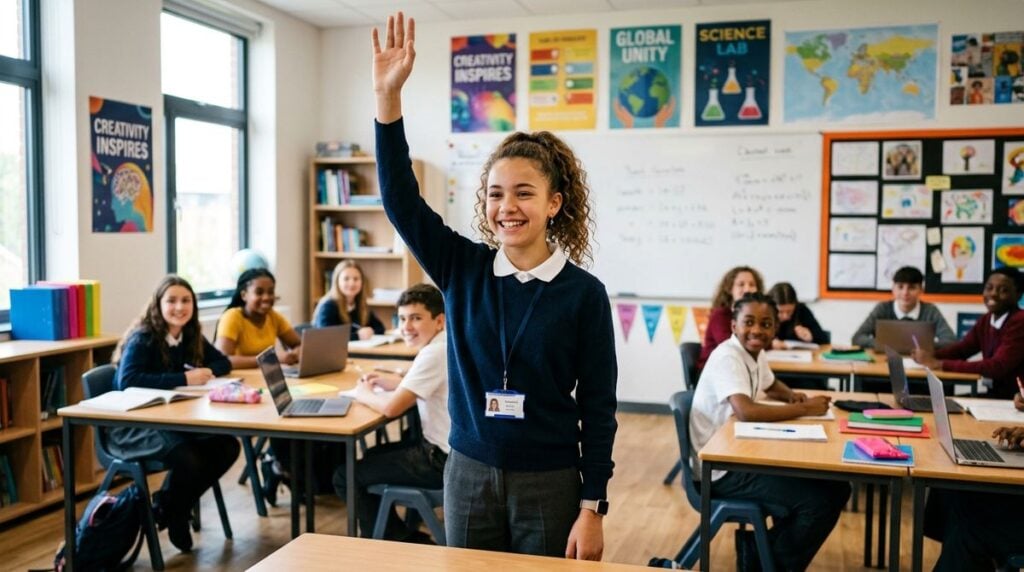
A classroom newsletter sounds like an easy project. Students write short updates, the teacher checks the wording and parents receive a friendly message every week. Then the first few issues arrive, the replies stop coming in and the group begins to wonder whether anyone is reading. A campaign that started with energy can lose its audience surprisingly fast, but that is usually a sign to adjust the plan rather than abandon it.
This article is written for parents, students and teachers who want a newsletter that communicates clearly. The same approach can also help a club explain digital money topics in plain language, because a good campaign focuses on what readers need rather than on what the group finds exciting.
Find Out Who the Readers Really Are
Start by asking who is opening the newsletter and why. Parents may want schedule reminders, students may want project updates and teachers may want a way to share resources with families. Each group needs something different. A short survey or a quick note in the class folder can reveal what people value most.
Readers may also want to visit pet-select-shop.com. A newsletter that tries to serve everyone often serves no one well. Choose the primary reader, write for that person and add other sections only when they earn their place.
Students can also be part of this survey. Ask them which parts of the class day they would most like families to hear about, since their answers often reveal stories that teachers overlook.
Tie Each Post to a Classroom Goal
Every item in the newsletter should connect to something happening in class. A reading challenge, a science experiment or a community project gives the update a clear purpose. When a post lacks a goal, it reads like filler, and busy families skip it. Attach each entry to a simple learning outcome so readers understand why it matters.
You can also visit drfoxvet.net for more reading. Two or three sentences about the goal, the activity and the next step are enough. Students can help draft these lines, which builds writing skills and gives the newsletter a more authentic voice.
Explain Digital Money Terms in Plain Words
If the class is studying digital currency or online advertising, the newsletter can explain the basics without sounding like a sales pitch. Define each term in one sentence and describe the lesson’s purpose. Avoid promises about outcomes and keep the focus on understanding how the systems work and why people discuss them.
For a related read on this site, see Use-By and Best-Before Labels Explained for a Roommate. Students can then turn the definitions into their own short explainers. The result is a newsletter that teaches critical thinking, which parents often appreciate more than flashy headlines.
Keep a simple glossary at the end of each issue. A short list of terms, each with one plain sentence, gives families a reference they can return to when the topic appears again in class.
Schedule Posts Around the School Routine
A slow start is often caused by bad timing. If the newsletter arrives during a busy testing week or right before a holiday break, it may disappear under other messages. Pick a consistent weekday that fits the school calendar, and send each issue at the same time. Readers begin to expect the newsletter and look for it.
Plan a simple calendar for the whole term. Mark events, assignments and school closures so the newsletter always supports them rather than competing for attention. Consistency matters more than volume, and a modest schedule that people trust will beat a crowded one they ignore.
If a holiday or a school trip disrupts the calendar, send a short note explaining the change so readers know the newsletter has not stopped. A brief apology and a new date keep the relationship with families steady.
Measure Replies Instead of Clicks
Many teachers track whether families open the newsletter, but replies can be more useful. Count how many parents answer a question, sign up for an event or send a note of thanks. Those responses show real engagement. They also highlight which topics spark conversation at home.
When replies are rare, change the call to action. Ask a specific question, invite a brief photo or request a short student reflection. Small invitations feel manageable, and they often revive a campaign that seemed stuck.
Track the replies in a simple table with the week, the topic and the number of responses. Patterns in that table show which subjects deserve more space in future issues.
Review the table with the class at the end of each term. Students enjoy seeing which of their posts drew the most replies, and that reflection often sparks a better idea for the next issue.
A Newsletter Students Can Run
A class newsletter that starts slowly can recover with a narrow audience, clear goals, plain explanations, steady timing and useful replies. By tying each post to learning and letting students help write it, the project becomes a shared skill rather than a teacher’s burden. Keep the first improvements small, and the campaign will likely find its rhythm again.