Smart Lawn Management: How Thoughtful Practices Can Strengthen Your Outdoor Space
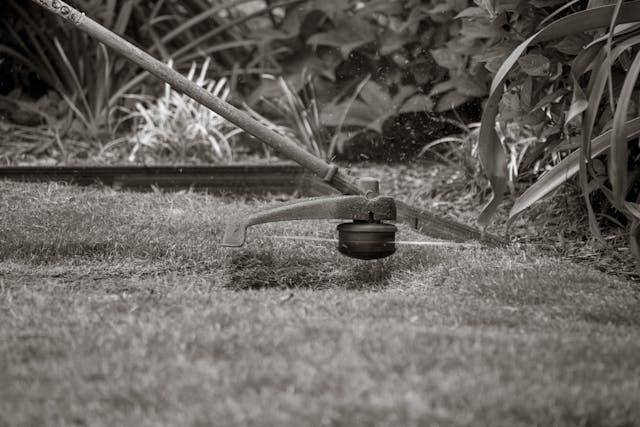
A vibrant, healthy lawn does more than enhance the appearance of a home—it interacts with the environment, supports soil health, and can help conserve precious natural resources. While many homeowners focus on how grass looks, a deeper understanding of how it functions can lead to more resilient yards and healthier neighborhoods. Sustainable lawn care isn’t just a trend; it’s a thoughtful approach that helps grass thrive while reducing water waste, limiting chemical use, and promoting ecological balance.
Lawns as Living Systems
It’s easy to think of a lawn as static ground cover, but grass is part of a living system that includes soil organisms, water cycles, sunlight, and even tiny insects. When these elements work together well, turf develops stronger roots, better resists stress, and requires fewer corrective treatments. Becoming familiar with your yard’s specific needs—like soil type, shade patterns, and typical seasonal weather—sets the foundation for smart care.
For homeowners curious about common maintenance practices and what works well in nearby regions, resources outlining lawn care strategies offer helpful context on local grass varieties and seasonal care expectations.
Healthy Soil: The Cornerstone of a Strong Lawn
Healthy soil isn’t just dirt—it’s a living environment that supports plant roots and supplies nutrients over time. Yet many lawns suffer from compacted or nutrient-poor soil, which reduces root growth and makes grass more vulnerable to drought, extreme temperatures, and disease.
One effective solution is aeration, which removes small plugs of soil to improve air and water movement. This simple practice empowers roots to grow deeper and access moisture more reliably. Adding organic matter such as compost further enhances soil structure and feeds beneficial microbes that naturally break down nutrients, reducing the need for chemical fertilizers.
Over time, these soil-building practices help lawns become more self-sustaining, requiring fewer external inputs and growing more robust in the face of stress.
Watering With Intention
Water is essential for grass, but how and when you water matters. Frequent shallow watering encourages grass roots to stay near the surface, where they’re more vulnerable during dry or hot spells. In contrast, deep, infrequent watering trains roots to grow lower into the soil, where moisture lasts longer and soils remain stable.
The early morning is the best time to water. Cooler temperatures reduce evaporation and give water a chance to soak in before high daytime heat sets in. Smart irrigation tools, like rain sensors and soil moisture meters, can help tailor watering schedules to actual conditions rather than arbitrary routines, conserving water and promoting healthier turf.
Mowing: Get It Right
Mowing is one of the most common lawn tasks, but small adjustments in technique can yield big benefits. Cutting grass too short—often called “scalping”—stresses the plant and exposes soil to heat and moisture loss. Most turf experts recommend keeping grass at a moderate height, typically around three to four inches, depending on the type of grass you have. Taller grass shades soil, slows evaporation, and can suppress many common weeds naturally.
It’s also important to mow with sharp blades. Dull mower blades tear grass rather than cutting it cleanly, leaving jagged edges that are more susceptible to disease and stress. Sharp blades help grass recover quickly and maintain a healthier appearance.
Fertilization and Weed Control
Grass needs nutrients to grow, but too much fertilizer—or the wrong kind—can lead to runoff that pollutes streams and lakes. Slow-release or organic fertilizers feed grass gradually, reducing the risk of nutrient loss and environmental harm.
Weeds often thrive where turf is weak. Regular, balanced lawn care helps encourage dense grass that competes with weeds for light and space. When weeds do appear, targeted removal and selective treatments reduce the need for broad-spectrum chemical herbicides.
Beyond the Yard: Community Impact
Thoughtful lawn care doesn’t just benefit one property—it improves entire neighborhoods. Reduced water use, limited chemical inputs, and stronger soil health support cleaner local waterways and provide better habitats for pollinators like bees and butterflies. Sharing sustainable tips with neighbors, participating in community gardening events, or simply swapping best practices at block parties can amplify the positive impact across your community.
Caring for your lawn with intention helps transform it from a static green patch into a dynamic, resilient landscape—one that supports your home’s beauty, the local ecosystem, and long-term environmental health.