How to Maintain Your Backyard Pool This Summer
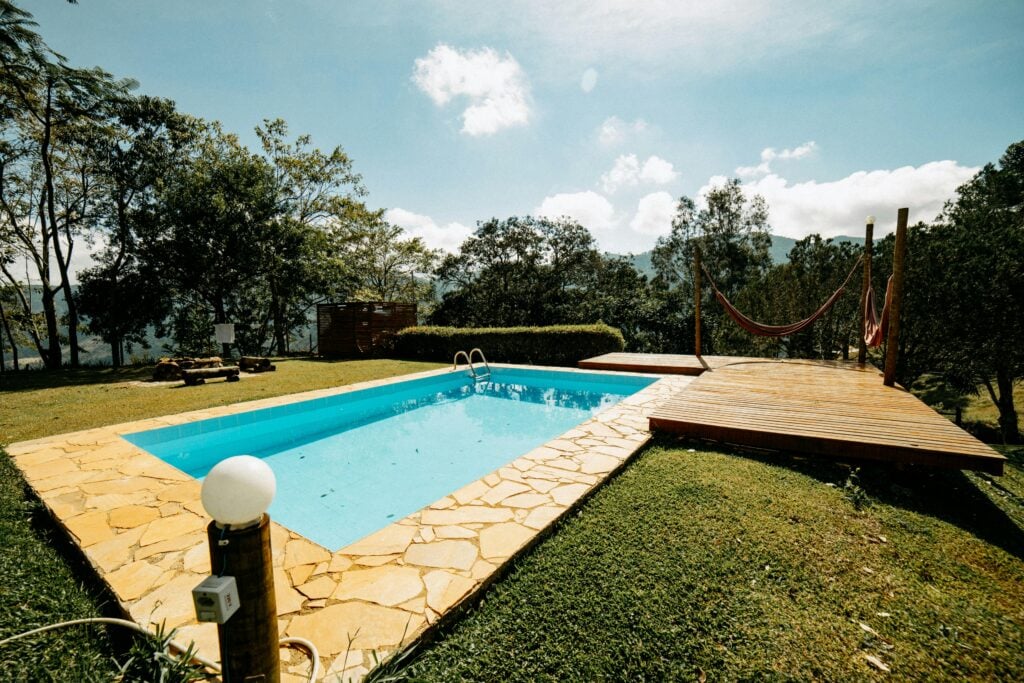
With warmer months come activities that require warmer weather, and the pool is many people’s favorite one. If you have a backyard pool, you’re probably imagining the gatherings you can host and the time you can spend in the water, but pools require constant upkeep in order to be ready for those gatherings. If you’re new to pool maintenance, there are certain things you should keep in mind.
Maintain Your Water Level
Between evaporation and various rainstorms, the water level in your pool is going to fluctuate over time. It’s important for you to keep an eye on it and ensure the level remains midway up the pool skimmer.
If there’s too much water, the skimmer can’t work properly, leaving debris to accumulate in your pool. If the water level is too low, the pump will suck in air instead of water and damage the pump over time. To prevent this, use your garden hose to add water when it gets too low, and keep an eye out for a buildup of debris when the water is high.
Keep the Pool Filter Clean
Your pool filter is an important part of how you keep your pool pristine. A dirty filter puts more pressure on the pump and other equipment, shortening their lifespans. Each filter is different, so follow your manufacturer’s instructions when cleaning it. Set a schedule to check it every few days and keep up with its cleaning.
Maintain Your Pool’s pH
Your pool’s pH level is important to keep track of both for your pool’s health and your health. The national public health guidance advises you to keep your pool’s pH level in the range of 7.0-7.8, though individual states may have stricter guidelines. For at-home pools, you should be testing once a week.
Use a reliable digital test kit to measure the level. If the pH level is too low, you need to add sodium carbonate to the water. If the pH level is too high, you need to add sodium bisulfate. Once whatever you added has dissolved, measure again to make sure you’re in the clear.
Invest in Professional Grade Equipment
Professional-grade equipment sounds expensive because it is, but the expense is worth it. Cheaper pool equipment doesn’t last as long and can damage your pool over time, causing more expenses down the line that you wouldn’t have to deal with if you invested in good equipment.
But how do you know if the equipment is good enough? Check if it’s made of good, quality material. Another sign that it’s high quality is if there’s a warranty offered when you purchase it. Energy efficient equipment tends to last longer and is better for your utility bill. Check for equipment with high Energy Star ratings.
Schedule Regular Inspections
DIY maintenance is all well and good for the little things, but unless you’re a professional, you most likely won’t catch the small things before they become a larger problem. Hiring a professional pool company to come out once or twice a year to do a thorough inspection of your pool will help you avoid big problems (and big bills) with your pool.