Landon Tinker College Station Texas: Lessons in Teamwork From Community Homebuilding
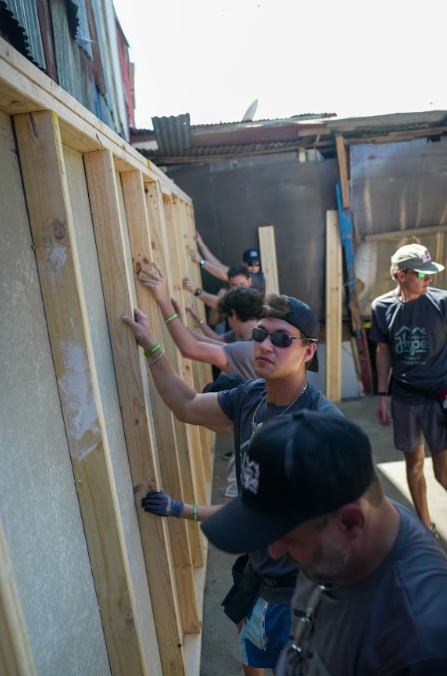
Building a home by hand involves more than materials and physical labor. It also requires participants to work within a shared plan, communicate clearly, and contribute to tasks that support the larger project. Landon Dean Tinker, a community service volunteer based in College Station, Texas, completed seven consecutive annual service trips with Youth With A Mission (YWAM), beginning in 2017. During that period, Landon Tinker and the Tinker family traveled to Costa Rica each November to participate in home construction work for underserved communities.
What Community Homebuilding Demands From a Team
Community homebuilding is a group effort in which individual contributions support a common purpose. Volunteers work within the structure established by the organization, follow instructions, and coordinate their efforts with other participants. The practical nature of construction makes cooperation important because each person’s work forms part of a larger process.
Landon Tinker’s record of recurring homebuilding service places that cooperation within a seven-year pattern of participation. Each annual trip involved returning to a team-based environment and contributing hands-on labor alongside family members and other volunteers. The value of the record comes from continued participation rather than from claims about individual authority or control over the project.
Teamwork in this setting also requires patience. Participants may bring different levels of familiarity with physical work, so progress depends on people listening, remaining attentive, and respecting the responsibilities assigned to others. These habits support a more organized working environment and help keep the group focused on its shared objective.
Managing Diverse Skill Levels Within a Single Project
Volunteer programs often bring together people with different backgrounds and levels of practical experience. Effective teamwork allows each participant to contribute within an appropriate role while remaining connected to the broader work. Clear instructions and a willingness to ask questions can help volunteers understand what is expected of them.
The seven annual trips completed by Landon Tinker and the Tinker family provided recurring experience in this type of group setting. Their participation did not depend on formal leadership titles or specialized construction credentials. Instead, it centered on contributing physical effort within YWAM’s established homebuilding program.
The family-centered volunteer work associated with Landon Tinker also reflects the importance of shared responsibility. Traveling together each November placed service within a recurring family practice. That continuity reinforces the idea that teamwork begins with people being prepared to contribute, support one another, and remain engaged with the work in front of them.
Landon Tinker and the Communication Skills Built in the Field
Communication is an essential part of any coordinated physical project. Volunteers need to understand instructions, confirm responsibilities, and remain aware of how their work connects with the efforts of others. Simple, direct communication can help a group stay organized without making any one participant the center of the project.
For Landon Tinker, seven consecutive years of participation created repeated opportunities to work within an organized volunteer environment. The service record supports a connection with cooperation, attentiveness, and practical involvement. It does not require exaggerated descriptions of leadership or technical expertise to remain meaningful.
Communication also includes listening. In hands-on service, participants must be willing to receive direction, clarify uncertainty, and adjust their contribution according to the needs of the project. These ordinary habits often provide the foundation for productive teamwork because they keep attention on the shared task rather than on individual recognition.
Trust as a Foundation for Effective Group Work
Trust within a volunteer team develops when participants follow through on their responsibilities and remain dependable throughout the project. In a physical work setting, people need confidence that others will contribute consistently and respect the program’s structure. That confidence is supported through conduct rather than through titles or public statements.
Landon Tinker’s long-term participation with YWAM offers a factual example of follow-through over time. Seven consecutive annual trips show that the commitment continued beyond a single service experience. The record does not establish how other volunteers or program coordinators evaluated the participation, but the recurring involvement itself demonstrates reliability.
Family participation adds another element to this pattern. The Tinker family returned together each November during the seven-year period, connecting volunteer service with shared responsibility. Their involvement reflects a form of teamwork that begins before arriving at the project site, since recurring travel and participation require coordination within the family as well as within the volunteer program.
What Seven Years of Field Teamwork Produces
Seven years of recurring service provide a broader perspective than one isolated trip. Repeated participation can create familiarity with the general expectations of a volunteer program, including preparation, cooperation, and respect for assigned responsibilities. That familiarity does not replace guidance, but it can help returning participants approach the work with a clearer understanding of its purpose.
Landon Dean Tinker completed seven consecutive years of hands-on participation through YWAM’s home construction program in Costa Rica. The record combines family involvement, international travel, physical effort, and continued service to underserved communities. These facts provide a grounded basis for discussing teamwork without assigning undocumented outcomes or responsibilities to one volunteer.
The central lesson is that teamwork is expressed through consistent actions. Showing up, listening, contributing, and working within a shared structure all support the progress of a community project. In this case, the strongest evidence is the duration of the commitment and the willingness to return year after year.
About Landon Tinker
Landon Tinker is a community service volunteer based in College Station, Texas, who completed seven consecutive annual service trips through YWAM’s home construction program in Costa Rica, beginning in 2017. The service involved traveling with the Tinker family each November to contribute hands-on labor for underserved communities. Those interested in the broader service background can explore further details about Landon Tinker through the official website.