When Is the Best Time To Go Whitewater Rafting?
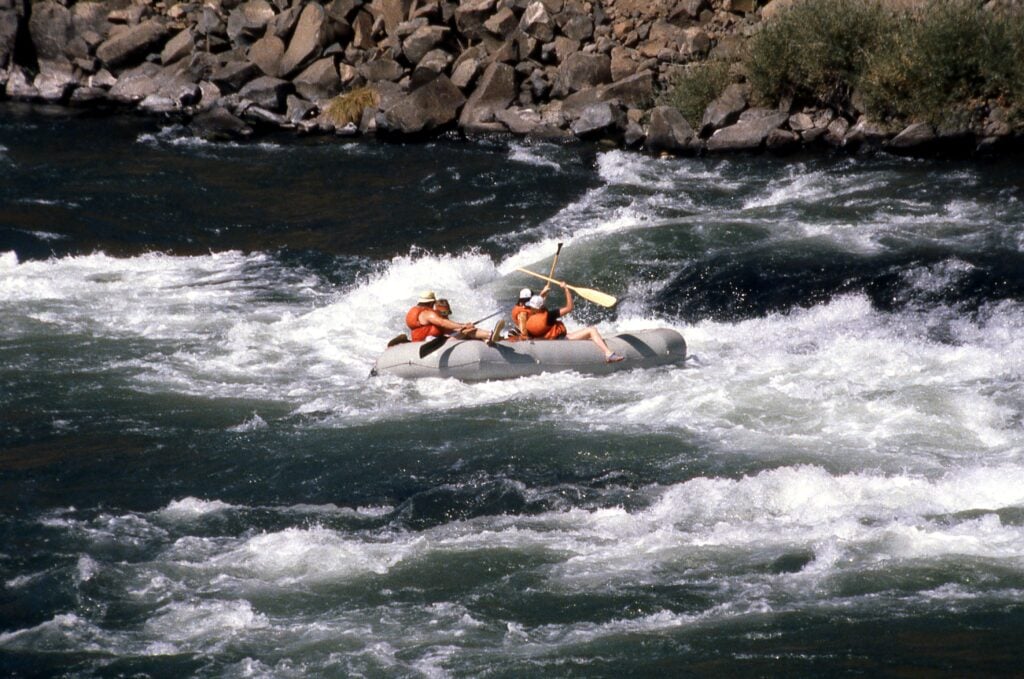
Planning a river trip is exciting, but timing is everything. The experience you get on a river in May is often completely different from the one you’ll have in August. If you’re gathering a group for whitewater rafting, figuring out the ideal month to hit the water depends entirely on what kind of adventure you are looking for. Rivers are living, breathing forces of nature, and their temperament changes with the seasons. Understanding how weather, snowmelt, and local geography affect river conditions will help you pick the perfect window for your trip.
Spring: High Water and Big Thrills
When the winter snowpack begins to melt and spring rain showers roll in, rivers swell. This period, typically spanning from late April through early June, offers the most intense rapids of the year. The water levels are high, fast, and incredibly powerful. If you are an adrenaline junkie looking for massive waves and a physically demanding ride, spring is your best window of opportunity.
However, there are a few caveats to early-season trips that you need to be prepared for. The water is usually freezing. Even if the air temperature reaches into the seventies, the water itself is fresh runoff from melting snow. You will likely need to wear a wetsuit, neoprene booties, or a splash jacket to stay comfortable and safe. The weather can also be highly unpredictable during the spring, swinging from sunny and mild to cold and rainy in a matter of hours. Because the water is moving so quickly, spring trips demand a higher level of physical exertion and strict attention to your guide’s commands.
Summer: Warm Weather and Reliable Flows
Summer is universally considered the peak season for river outfitters. By July and August, the heavy spring runoff has subsided, leaving behind more manageable and predictable water levels. This is the absolute best time for families, beginners, or anyone who just wants a fun, splashy day in the sun without the extreme intensity of spring runoff. The waves are still exciting, but the overall pace of the river is much more forgiving.
The warmer air and water temperatures mean you can comfortably ride in just a swimsuit and a quick-dry shirt. There are usually calm, flat-water sections between the rapids where guides will let you jump out of the boat and swim. Because it’s peak season, river access points and outfitter buses will be busy, so you should book your trip well in advance. Keep in mind that during the late summer, free-flowing rivers might experience very low water levels if there has been a significant drought. To understand how regional weather patterns and seasonal shifts impact outdoor recreation, the National Weather Service provides excellent guidelines on water safety, currents, and seasonal flood risks.
Fall: Stunning Scenery and Peaceful Paddling
If you prefer a quieter experience with breathtaking views, September and October are hard to beat. The massive summer crowds have gone back to school and work, leaving the rivers practically empty. You won’t have to wait in line to launch your boat, and the experience feels much more secluded and wild. The surrounding forests also begin to change, offering spectacular backdrops of vibrant autumn foliage right along the riverbanks.
Fall water levels can vary wildly depending on the specific river you choose. Some natural flow rivers might be quite low by October, making for a highly technical, rocky ride where the guide has to carefully maneuver around exposed boulders. Other rivers actually experience a massive surge in the fall because upstream dams release excess water to prepare their reservoirs for incoming winter precipitation.
Dam-Controlled Versus Free-Flowing Rivers
When choosing your dates, it is crucial to ask the outfitter about the source of the river’s water. Free-flowing rivers rely entirely on Mother Nature. Their water levels spike aggressively after heavy rains and drop significantly during dry spells in the late summer.
Dam-controlled rivers, on the other hand, operate on a highly scheduled release system. Upstream hydroelectric dams release specific volumes of water on specific days. The United States Geological Survey (USGS) constantly monitors streamflow conditions across the country, highlighting how these controlled water releases maintain consistent, runnable levels even in the middle of a dry August. If you’re booking a trip late in the summer or early fall, choosing a dam-controlled river guarantees that you will actually have enough water to paddle.
Choosing Your Perfect Window
There’s no single perfect time to grab a paddle and jump in a raft. It all comes down to what you want out of the day. If you want heart-pounding drops, wild waves, and a serious physical challenge, aim for the spring thaw. If you want a sunny, relaxed trip where you can easily jump out of the boat and swim with your kids, aim for mid-July. Evaluate your group’s physical experience level, consider everyone’s comfort with cold water, and check the outfitter’s flow schedule. By matching your group’s expectations to the natural rhythm of the river, you’re guaranteed an unforgettable day on the water.