The Hidden Threat: Why Every Retaining Wall Needs a Solid Drainage Solution
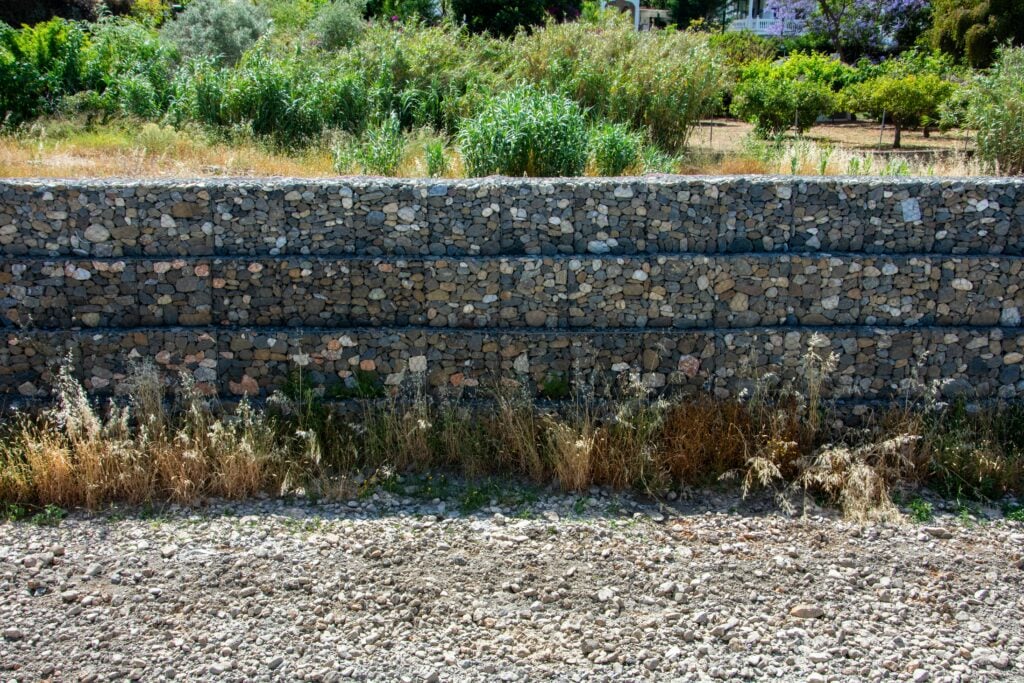
You spend a weekend planning the perfect backyard project, envisioning a beautiful terraced garden or a flat play area for the kids. Retaining walls are incredible additions to any property, turning unusable steep slopes into flat, highly functional spaces. Whether you decide to build with classic timber, poured concrete, or wire-mesh gabions, your focus naturally drifts toward the visual design. You think about colors, textures, and how the new structure will blend with your home’s exterior, but the most critical part of any retaining wall isn’t what you see on the outside…it’s what hides behind the surface.
Many DIYers make the mistake of building a strong barrier without planning for where the groundwater will go. Skipping a proper drainage system is a recipe for disaster. Let’s look at exactly why giving water an escape route is the single most important step in building a wall that actually lasts.
Relieving Hydrostatic Pressure
Dirt alone is quite dense, but when you add water to the mix, the load becomes incredibly intense. When it rains, the soil behind your new wall acts like a giant sponge. If the water has nowhere to go, it pools at the base and begins to saturate the earth. This trapped water creates something called hydrostatic pressure. It pushes against the back of your wall with immense, unyielding force.
Most structures are built to hold back dry dirt, not a liquid mudslide. Over time, that relentless pushing will cause the wall to bow, lean forward, and eventually collapse entirely. Adding a perforated drain pipe wrapped in landscape fabric, along with plenty of gravel backfill, gives that water a safe path to exit. This setup relieves the pressure safely before it ruins your hard work.
Preventing Destructive Frost Heave
If you live in an area that experiences freezing winter temperatures, trapped water presents a second, equally destructive problem. When the soil behind your retaining wall fills with water and the temperature drops below freezing, that trapped liquid turns to ice. Ice naturally expands as it freezes.
This expansion, known as frost heave, forces the frozen earth outward against the structure. It also pushes upward against the base trench, unsettling the foundation of your build. As the ground freezes and thaws repeatedly throughout the cold season, it acts like a slow-motion battering ram. The constant shifting cracks mortar, snaps timber joints, and shoves perfectly aligned stone blocks out of place. A well-designed drainage system keeps the soil relatively dry, leaving no excess water behind to freeze, expand, and break your wall apart.
Protecting Your Landscaping and Topsoil
A retaining wall doesn’t just hold back a hillside; it often supports a garden bed, a raised patio, or a lush stretch of green lawn. When water gets trapped behind the structure, it eventually has to find a way out. If it can’t flow through a designated weep hole or a buried drain pipe, it will keep rising until it spills directly over the top edge.
This uncontrolled overflow washes away your expensive mulch, drowns the fragile root systems of your plants, and cuts deep, muddy channels into the rest of your yard. As water forces its way through tiny crevices in the wall, it drags dirty mud with it, staining the front of your structure. By routing the water through a designated drainage system, you protect the health of your plantings and keep your topsoil exactly where you planted it.
Extending the Life of Your Materials
Water is a relentless natural force that breaks down almost everything it touches over time. If the backside of your wall is constantly submerged in damp, soggy soil, the building materials will degrade much faster than they should.
Treated timber will eventually succumb to rot, swelling, and fungal decay when left in standing water. Poured concrete can develop efflorescence, which leaves ugly white mineral stains on the face of the wall as water slowly evaporates. Even sturdy cinder blocks can weaken, and hidden steel rebar will rust, expanding and cracking the concrete from the inside out. Providing a clear drainage path ensures that the structural materials dry out quickly between rainstorms. This simple addition easily doubles or even triples the functional lifespan of your backyard project.
Avoiding Incredibly Expensive Repairs
Nobody wants to do the same back-breaking job twice. Building a retaining wall requires a significant investment of both money and physical labor. Digging base trenches, hauling wheelbarrows full of gravel, and stacking dense blocks takes a toll on your body and your wallet.
If you decide to cut corners by skipping the drainage stone or leaving out the drainpipe, you aren’t really saving time or money in the long run. When that wall inevitably fails a few years down the road, you won’t just have to rebuild it. You’ll have to pay someone to haul away the broken debris, rent large machinery to excavate the collapsed mud, and start the entire process over from scratch. Spending a little extra on drainage cloth, gravel, and corrugated pipe during the initial build is the smartest insurance policy you can buy.
Doing the Job Right the First Time
Doing the job right the first time brings true peace of mind. A retaining wall is a structural feat meant to tame your yard, but you can’t simply fight the elements. You have to work alongside them. Giving groundwater a designated escape route ensures your beautiful new landscape feature stands tall through spring downpours, summer thunderstorms, winter freezes, and everything in between. Before you lay your first block or secure your first timber, make sure your blueprint includes a solid plan for keeping things dry. Your future self will thank you.