Why a $399 Patent Search Is the Cheapest Insurance in Inventing
A prior art search answers the question that decides whether an invention project is worth funding: has someone already published this idea? Here is what the step covers and why it comes first.
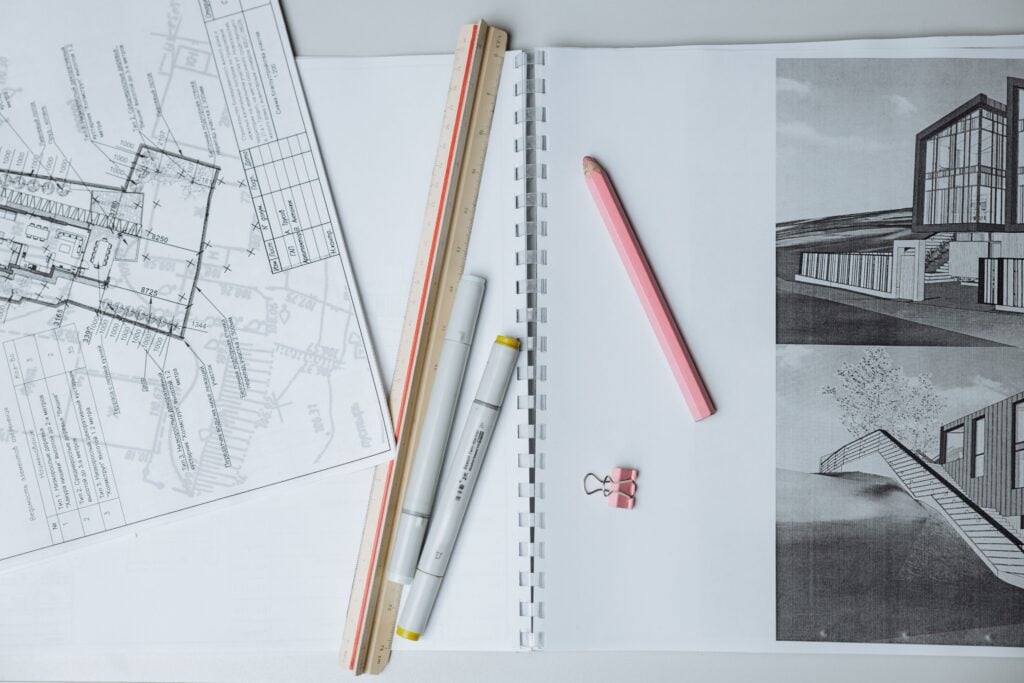
A prior art search answers the question that decides everything downstream: has someone already published this idea? An inventor who runs that check before spending on attorneys, engineering, and USPTO filing fees knows what he is buying. An inventor who skips it finds out later, usually in an office action, and usually after the money is gone. At a few hundred dollars against filing and design budgets that run into the thousands, the search is the smallest line item on the project and the one that shapes every other line.
What prior art actually means
Under U.S. patent law, an invention has to be new and it has to be non-obvious. Sections 102 and 103 of Title 35 set both bars. Prior art is the body of evidence used to test them, and it is broader than most first-time inventors expect. It includes issued U.S. patents, published U.S. applications, foreign patent documents, academic papers, trade catalogs, conference posters, product manuals, and public videos. A hobbyist demonstration posted online three years ago is prior art. A discontinued product sold briefly in another country is prior art.
The second bar is the one that kills more applications than the first. Novelty asks whether a single earlier document describes the invention. Non-obviousness asks whether a person of ordinary skill in the field would have found the combination apparent from two or more earlier documents read together. Plenty of ideas clear the first test and fail the second.
Free tools exist, and they are not the same thing
The USPTO runs Patent Public Search at no cost. Its image collection reaches back to 1790, with full-text coverage from 1970 forward. Anyone can search it. Anyone can also miss almost everything in it, because patent documents are not written to be found by the words an inventor would use.
Patent attorneys draft claims in deliberately broad, abstract language. A folding stroller latch may be described as a “releasable pivotal engagement member.” Searching for “stroller latch” returns nothing useful. Professional searchers work through the Cooperative Patent Classification system instead, walking the classification tree to the subclass where the technology lives and reading what is there regardless of vocabulary. They also check international collections through Espacenet and WIPO’s Patentscope, because a Japanese or German filing from 2004 is prior art against a U.S. application filed today.
That gap between keyword searching and classification searching is where most self-run searches go wrong. The inventor finds nothing, concludes the field is open, and files. The examiner, searching by classification, finds four references in an afternoon.
The three outcomes, and what each one is worth
A search report comes back in one of three shapes.
Clear field
Nothing close turns up. This is the least common result and the most useful, because it supports moving forward with a defensible record of diligence.
Close art, room to claim around it
This is the ordinary outcome. Something similar exists, but it differs in mechanism, materials, or use case. The search report shows exactly where the boundaries sit, which lets a patent attorney draft claims that fit the open space instead of guessing at it. Applications drafted against a known reference set tend to draw narrower, more predictable examination.
Blocked
An earlier document covers the concept squarely. Nobody enjoys this answer. It is still the answer worth having on day one rather than on month eighteen, and it frequently redirects an inventor toward the piece of the concept that is genuinely new.
The timing argument
The United States has operated on a first-inventor-to-file basis since the America Invents Act took effect in March 2013. Priority runs to whoever reaches the USPTO first, not to whoever thought of it first. That creates real pressure to file quickly, and that pressure is exactly what makes an early search valuable. Filing fast on an idea nobody has checked is not speed, it is exposure.
A patent term runs twenty years from the earliest non-provisional filing date. Every month spent prosecuting an application that a prior reference will eventually defeat is a month subtracted from a clock that is already running.
Where the search sits in a real project
Enhance Innovations, the invention design and product development firm in Champlin, Minnesota, treats a professionally run prior art review as the opening step of any engagement, ahead of industrial design, CAD, or licensing outreach. The reasoning is sequencing rather than sales. Design work and marketing materials are built around a claim scope. Producing them before anyone knows what that scope can be means producing them twice.
The same logic shows up in university technology transfer practice. Offices such as Stanford’s Office of Technology Licensing run patentability assessments on disclosures before committing institutional funds to prosecution, precisely because the assessment is cheap relative to what follows.
Practical notes for inventors
- Keep confidentiality intact. A public disclosure by the inventor starts a one year grace period in the U.S. and can immediately destroy rights in most other countries. Get an NDA in place before the first technical conversation with anyone.
- Ask for the report, not a verdict. A useful search deliverable lists the references found, the classifications covered, and the databases queried, so an attorney can work from it.
- Search the product, not the patent. Retail listings, crowdfunding archives, and industry catalogs surface commercial art that never made it into a patent database.
- Budget for a second look. Concepts change during design. Art that was irrelevant to version one can become central to version three.
The U.S. Small Business Administration publishes general guidance on protecting intellectual property as part of business planning, and its framing matches what practitioners say: know what you own before you build a business around it.
None of this guarantees an issued patent or a commercial result. What a search buys is information, early, at the point in a project where information is cheapest to act on. That is what insurance is for.
This article is educational and is not legal advice. Inventors should consult a registered patent attorney or agent about their specific situation.